Last checked . Picks are based on the prices, rates, fees and terms each provider publishes, checked at the source. We never rank products by commission. See how we’re funded.
Short answer: a QR code scam works by covering a real code with a fake one, and the FTC says to check the link your phone shows before you open it. If you already scanned a bad code, don’t contact anyone through the site, change any password you reused, and watch your statements. That advice comes from the FTC’s Sept. 3 consumer alert.
How a QR code scam works
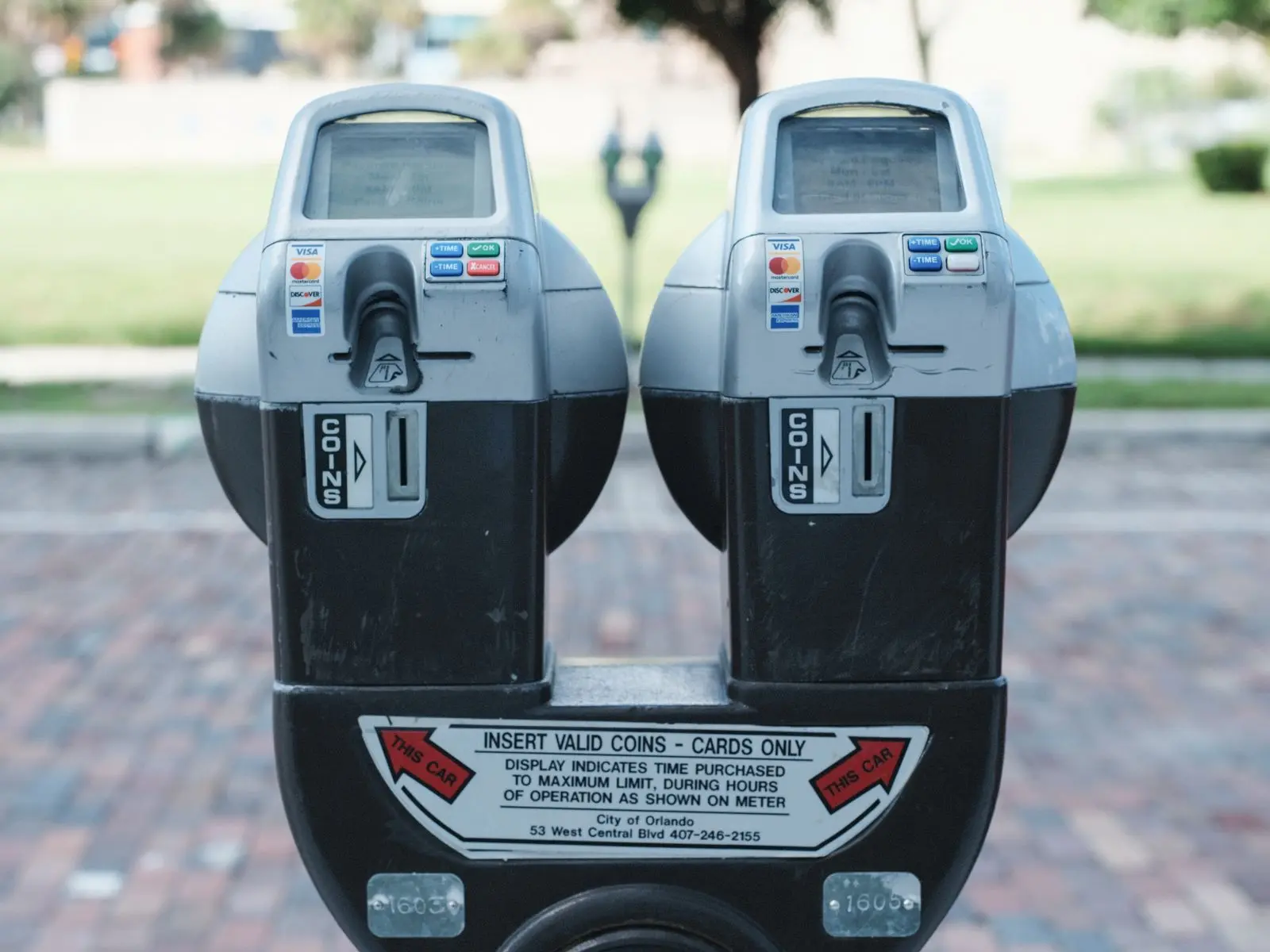
In this QR code scam, criminals place their own code over a legitimate one, such as on a parking meter. Scanning it can send you to a fake site that steals your money, your personal information, or both, the FTC says. Parking and payment codes are everywhere, so one sticker can catch a lot of drivers.
Red flags before you scan
The FTC points to two warning signs of a QR code scam. One is a code that looks pasted over an official one. The other is a link with misspelled or altered letters. So look at the meter first. Rough sticker edges are a giveaway.
| Check | What the FTC advises |
|---|---|
| The code itself | Look for a sticker placed over the official code |
| The link preview | Your QR reader may show the link first; look for misspellings or switched letters |
| Your phone | Keep the operating system and apps updated |
| Your accounts | Use strong passwords and multi-factor authentication |
Source: FTC consumer alert, Sept. 3, 2026.
What to do after a QR code scam
The FTC’s steps are short. Don’t contact anyone through the fake site, since they may try to get money or sensitive information from you. Change the password for any account where you used the same one, including the one you typed into the fake site. Check your card and bank statements for charges you didn’t make. Then report the QR code scam at ReportFraud.ftc.gov.
Paid through the fake page? Call your card issuer or bank, using the number on the back of your card. Our recovery steps, in order explain what comes next. The same caution applies to links in unexpected messages, as covered in how to spot a scam text and what to do if you replied.
Editor’s take
QR codes feel safer than links because there’s nothing to read, which is why a QR code scam works. When in doubt at a meter, pay another way.