Last checked . Picks are based on the prices, rates, fees and terms each provider publishes, checked at the source. We never rank products by commission. See how we’re funded.
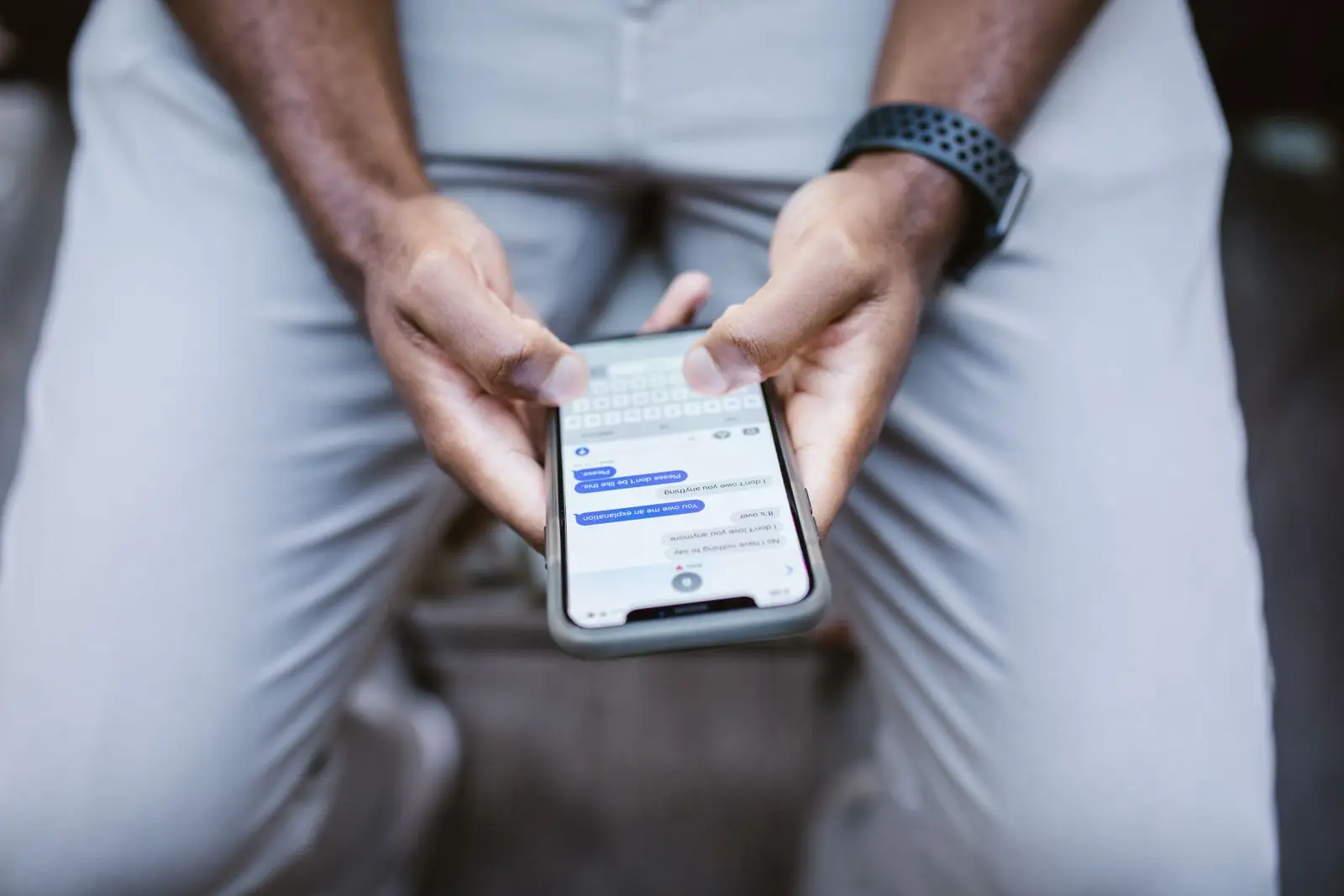
A scam text usually looks ordinary. Maybe a package couldn’t be delivered, a toll is overdue or your bank spotted a suspicious charge. Whatever the story, it’s built to make you act before you think, and knowing the patterns takes most of the power away. This guide shows how to spot a scam text, what to do if you already clicked or replied, and how to report and block the sender. The steps come from the Federal Trade Commission (FTC) and the phone makers.
How big is the problem?
Start with the scale. The FTC says consumers reported losing about $15.9 billion to fraud in 2025, across 3 million reports. Those are self-reported numbers, and the agency notes that its collection paused during the 2025 government shutdown, so the true figure may be higher. Impostor scams were the most reported type, with more than a million reports and over $3.5 billion in losses.
Text messages are one channel among many. Among 2025 loss reports that listed how the scammer made contact, 7% involved a text, according to the FTC. Its most recent dollar figure for text scams is $470 million in losses for 2024, which was more than five times the 2020 total. The FTC hasn’t published a comparable 2025 text figure that we could find.
The red flags of a scam text
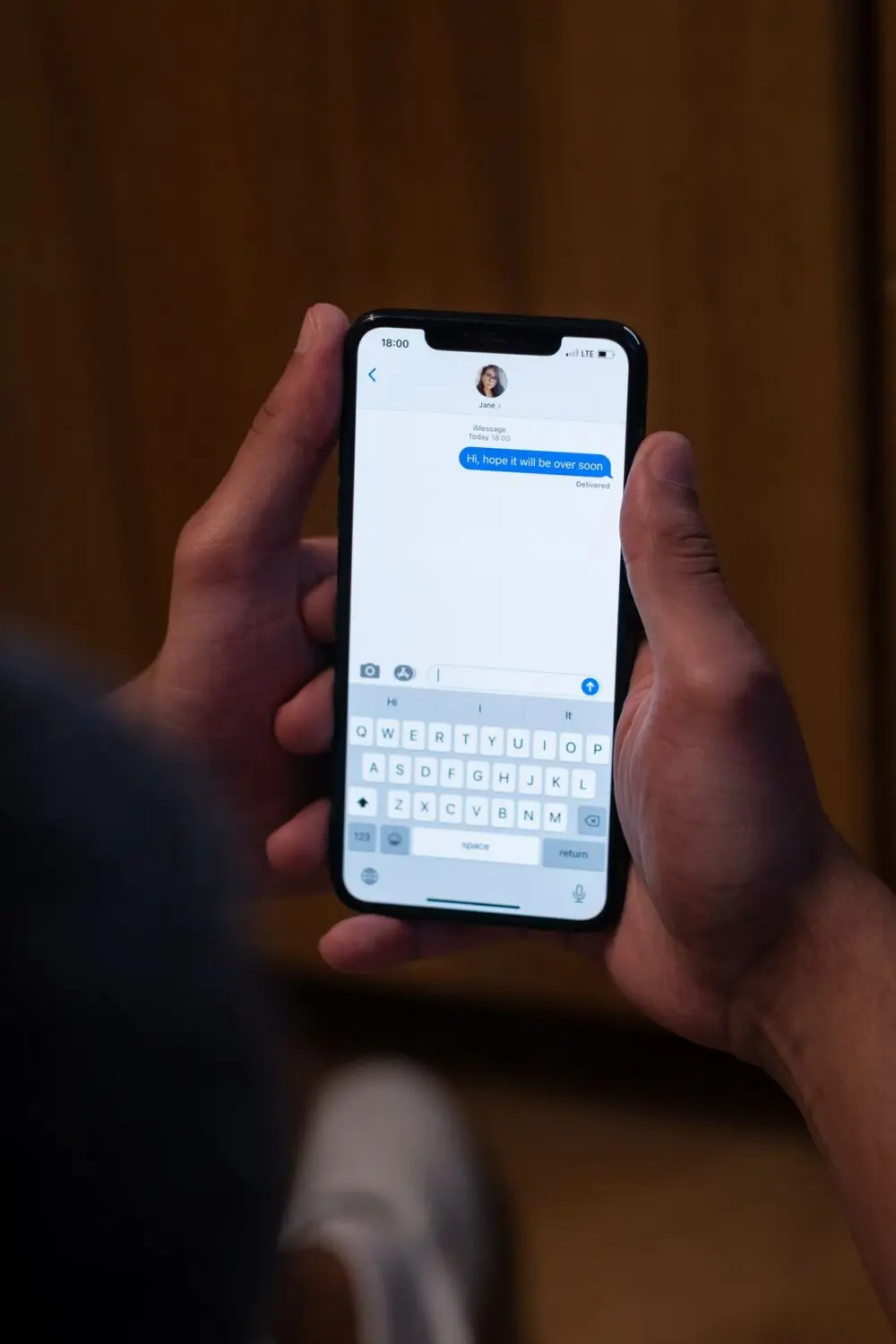
Start with who’s asking. The FTC says legitimate companies won’t ask for account information by text. A message that wants personal or financial details, such as bank numbers, a Social Security number or card information, is a warning sign. So is any unexpected text that tells you to click a link.
The FTC lists the usual themes: fake prizes and gift cards, fake low-interest card offers, fake student loan help, fake account or payment alerts, fake invoices and fake delivery notices. Its analysis of 2024 reports found five text scams on top. They were fake package-delivery problems, phony job offers, fake fraud alerts from banks or retailers, bogus unpaid-toll notices and “wrong number” texts that lead to investment pitches. Together they made up about half of text-fraud reports.
Look for these signs
Urgency, such as “pay in the next hour or lose access.” A request to confirm a payment, update billing details or reschedule a delivery through a link. A generic greeting instead of your name. A link that doesn’t match the company’s real website. A demand to move your money to a “safe account,” which the FTC says it never asks anyone to do.
Common versions of the scam text
A delivery scam text claims a package is held and asks for a small redelivery fee, often copying a carrier’s name. Toll texts claim you owe an unpaid toll, show a dollar amount and send you to a page asking for bank or card details, the FTC says. The FTC advises checking directly with the toll agency using contact information you already trust.

The job scam text is a growing variation. In an April 2026 alert, the FTC said recruiters text about remote jobs and now ask you to reply “yes” or “interested” instead of clicking a link. The end game, it says, is a fake-check overpayment or a task scam in which you pay with your own money. Real employers don’t recruit by random text, and you should never pay to get a job.
The wrong-number scam text opens with something harmless like “Are we still on for coffee?” If you reply, it pivots to friendship and then an investment, often crypto. The FTC says not to reply at all, even to say it’s the wrong number, because a reply confirms your number is active.
What to do the moment a scam text arrives
Don’t click anything, don’t reply and don’t call a number in the message. If you think the text might be real, contact the company using a phone number or website you already know, such as the one on your card or your bill.
Then report it. The FTC says to forward the message to 7726 (SPAM), use your messaging app’s junk or spam report option, report it at ReportFraud.ftc.gov and delete it. For major cases, you can also file a complaint with the FBI’s Internet Crime Complaint Center at ic3.gov.
Block and filter every scam text on your phone

On an iPhone running iOS 26, Apple’s guide says you can turn on Screen Unknown Senders in Messages. Open Messages, tap the filter icon, choose Manage Filtering, then Unknown Senders. To block a sender, open the conversation, tap the contact at the top and choose Block Caller. Apple’s wording changes between iOS versions, so if your menus look different, search Settings for “unknown senders.”
On Android with Google Messages, press and hold the conversation, choose block and report spam, then confirm. Another route: open the conversation, tap More options, then Details, and block from there. Reporting moves the thread to the Spam and blocked folder. Google says spam protection is on by default where available. To check it, go to your profile picture, Messages settings, Protection and Safety, then Spam protection.
The FTC adds that wireless providers offer call and text blocking tools, and there are third-party apps too.
What to do if you answered a scam text
If you only replied, stop responding and block the number. If you clicked a link or opened an attachment, the FTC says to update your security software, run a scan and remove anything it flags.

If you shared a password, change it everywhere you’ve used it, and turn on two-factor authentication. Our guide to setting up passkeys explains the strongest option. If you gave out your Social Security number, card number or bank details, go to IdentityTheft.gov for step-by-step recovery instructions. You may also want to freeze your credit, which is free.
If you sent money
Speed matters. The FTC’s guidance depends on how you paid. For a bank transfer or app like Zelle, Venmo, Cash App or PayPal, tell the bank or app right away and ask to reverse the payment. For a credit or debit card, tell the issuer and ask for a refund. For a wire transfer, contact the wire company and say you were tricked. For gift cards, contact the card issuer using the number on the card and keep the card and receipt. For crypto, contact the exchange or ATM operator and then report to the FTC, though protections are limited. For cash sent by mail, contact the U.S. Postal Inspection Service.
Editor’s take
The simplest rule is also the strongest: never act on a text, only on a message you reach out for yourself. If a bank, carrier or toll agency really needs you, you can reach them through the number on your card or their official app. Build that habit, and a scam text loses nearly all its power.