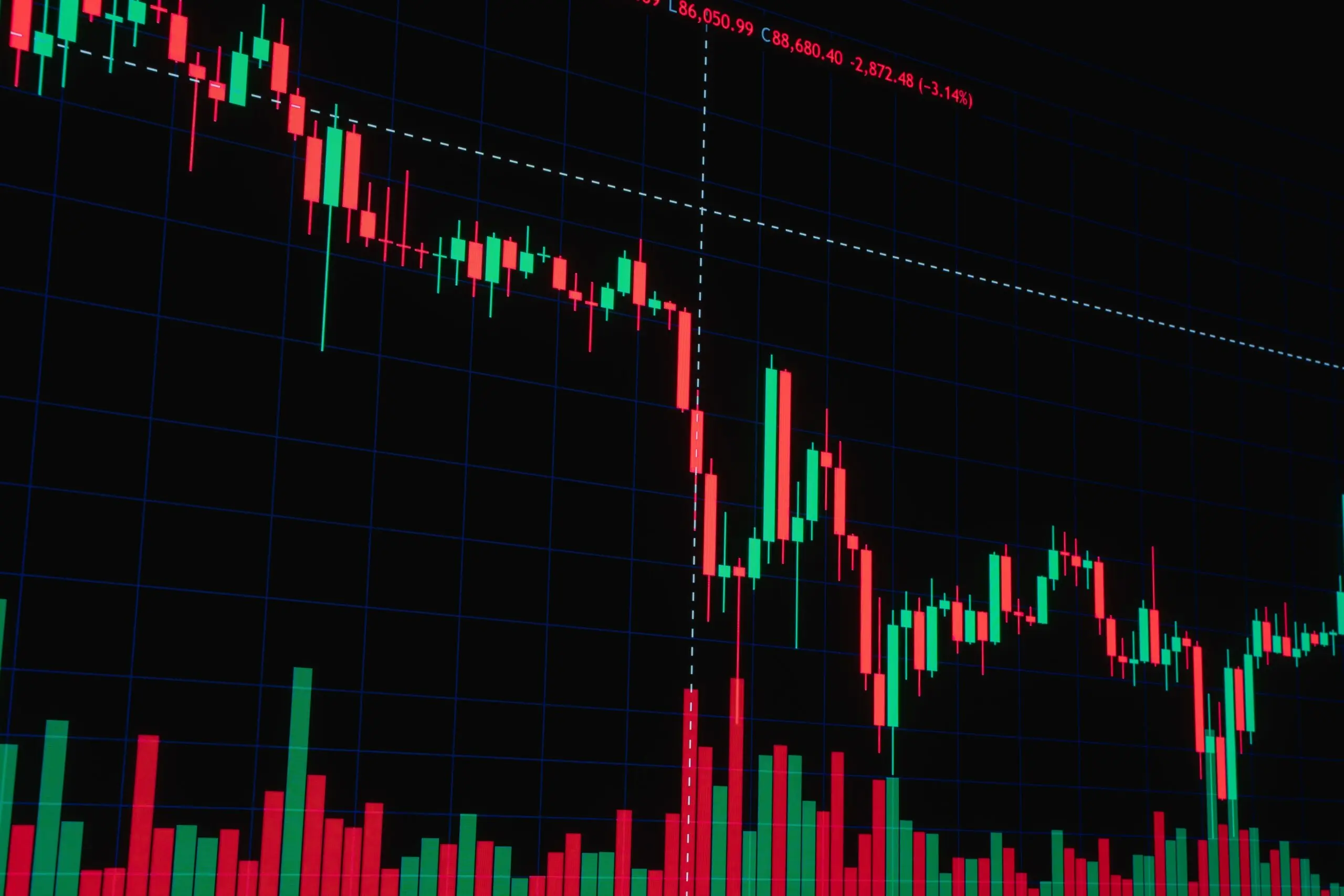
This Wall Street weekly recap starts with Friday, October 23. The Dow Jones Industrial Average fell 626.43 points, or 1.18%, to close at 52,241.55, according to a wire report published by The Spokesman-Review. The S&P 500 lost 33.51 points, or 0.43%, to 7,629.92. The Nasdaq Composite slipped 21.91 points, or 0.08%, to 25,986.95. This is a news summary, not investment advice.
How the week finished in our Wall Street weekly recap
The Nasdaq was nearly flat on Friday after the prior day’s biggest one-day drop since June. The report says the S&P 500 and Nasdaq were on track for modest weekly losses, while the Dow was slightly higher for the week, helped by defensive stocks. Most sectors fell Friday, led by consumer staples and financials. Energy was the exception. It rose 2.4% to a record high.
Oil jumps on Saudi attacks
Brent crude reached its highest level since late April after Houthi attacks in Saudi Arabia raised concerns about Middle East energy supply. The report doesn’t give an exact closing price. For background, see our coverage of the Brent price move after a Saudi drone strike.
AI worries keep weighing
Tech was mixed. The Philadelphia Semiconductor index gained 0.6% and the S&P 500 tech sector rose 0.4%, after a steep chip drop the day before. Concerns about the cost of financing heavy AI spending still weighed on the market. Kristina Hooper, chief market strategist at Man Group, said there’s still fallout from the questioning of the AI trade, and that data center build-outs next year could be smaller than projected.
Biggest movers
The biggest movers in this Wall Street weekly recap were a mix of earnings and telecom news. American Express fell 3.9%. It raised its profit forecast but said it plans to cut 5% of its workforce. SLB rose 6.7% after beating third-quarter profit estimates. AT&T and T-Mobile each fell more than 6%, and Verizon dropped 1.6%, after a report that SpaceX is seeking thousands of cell sites for a fourth U.S. wireless carrier. SpaceX shares rose 1.5%. See our look at why AT&T stock fell after a beat. Tower owners went the other way: Crown Castle rose 10% and American Tower rose 3.7%.
Earnings and consumer mood
S&P 500 companies are on track for third-quarter earnings growth above 32%, according to LSEG IBES data cited in the report. The University of Michigan’s final October reading put consumer sentiment at 48.0, down a tenth of a point from September and about 10% below a year ago, according to the university’s survey. Year-ahead inflation expectations rose to 4.7% from 4.6%, and long-run expectations to 3.5% from 3.4%. The wire report describes sentiment as near a record low and ties the gloom to rising prices from the Middle East conflict. On the NYSE, decliners outnumbered advancers by 1.97 to 1.
What to watch in the next Wall Street weekly recap
The Fed meets October 27-28, according to the Federal Reserve’s calendar, with the policy statement due Wednesday. It’s expected to hold rates steady, and investors are watching for signals about a possible hike at the December 8-9 meeting. Our Fed meeting preview has the details. About one-third of the S&P 500 reports next week, including Alphabet, Microsoft, and Amazon, and their spending forecasts for AI infrastructure will be closely watched. The November 3 midterms are also drawing attention.
Editor’s take
A 1.2% drop in the Dow with the Nasdaq nearly flat is a mixed signal, not a rout. The more important reading is where the money went. Energy hit a record, and defensive names helped the Dow through the week. For this Wall Street weekly recap, the thing to watch is whether oil holds near its April high, because that feeds directly into the consumer sentiment problem. The next test is whether next week’s tech spending forecasts calm or deepen the AI financing worries.