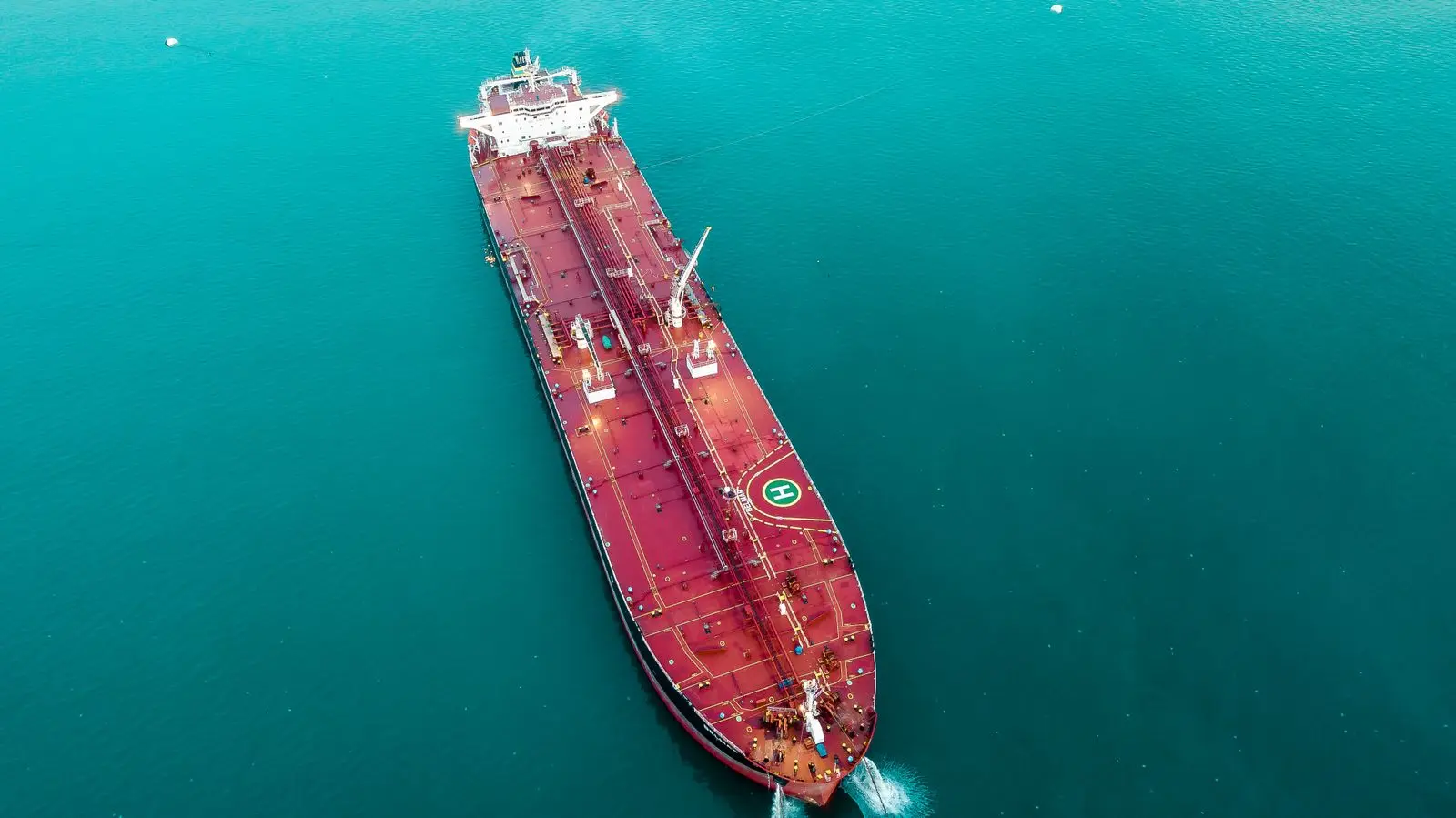
Wednesday, October 21: a Houthi drone is shot down over eastern Saudi Arabia, and its debris falls near a processing plant at Aramco’s Shaybah oilfield. Two people die. By late trading, the Brent crude price is back above $110 a barrel, and early Thursday it reaches $110.63, according to The National. That’s the headline number. The settlement price is calmer, and the gap between the two matters before you decide what this means for your wallet.
What happened at Shaybah
According to the Saudi Energy Ministry, air defenses intercepted a drone aimed at the plant. Debris hit a contractor’s vehicle outside the facility and started a fire. Two people were killed and two were hurt. Operations, the ministry said, were unaffected. Shaybah sits deep in the Empty Quarter near the UAE border. It produces about one million barrels of crude a day.
Hours later, an attack on King Fahd International Airport in Dammam killed one person and injured eight, according to Saudi Arabia’s civil aviation authority. The Houthis haven’t commented on that one. Earlier this month, an attack on Riyadh’s main airport was described as the deadliest on the kingdom in more than a decade.
One piece of infrastructure deserves attention: the East-West pipeline. It moves crude from eastern Saudi Arabia to Red Sea terminals, so tankers can skip the Strait of Hormuz. Capacity is about seven million barrels a day. It was reportedly halted on October 5 after a Houthi strike on a pumping station. Separately, Washington has moved to pull non-emergency staff and families out of Saudi Arabia, The National reported.
Why the Brent crude price barely settled higher
The settlement is where the story changes. Brent’s December contract closed Wednesday at $108.82, little changed, according to Bloomberg via Rigzone. The run to $110.33 came after the close. U.S. crude actually fell 4.6% to settle at $97.15. Oil is still up about 80% this year, and Bloomberg says diesel and other refined products have climbed even faster.
Wednesday also wasn’t the first time the Brent crude price visited this level. Brent traded near $110 on Monday, according to a Reuters report carried by Baird Maritime, and our earlier reporting had it settling at $109.86 on October 16. So the strike pushed the price back to a number it had already seen. That’s our reading of the dates, not something any one source said. The Houthis said they hit Shaybah on Monday too, but Saudi authorities didn’t confirm it and Reuters couldn’t verify it.
That doesn’t make Saudi supply safe. Traders are pricing the chance of lost barrels, not lost barrels. If a strike took Shaybah’s million barrels a day offline for weeks, the reaction would look very different, and the Brent crude price would be the first place it showed. That’s a scenario, not a forecast.
The gap between the two benchmarks is wide. Brent is about $12 above the U.S. benchmark, which settled at $97.15. The reports we reviewed don’t explain why, so we won’t guess.
The bigger worry is Hormuz
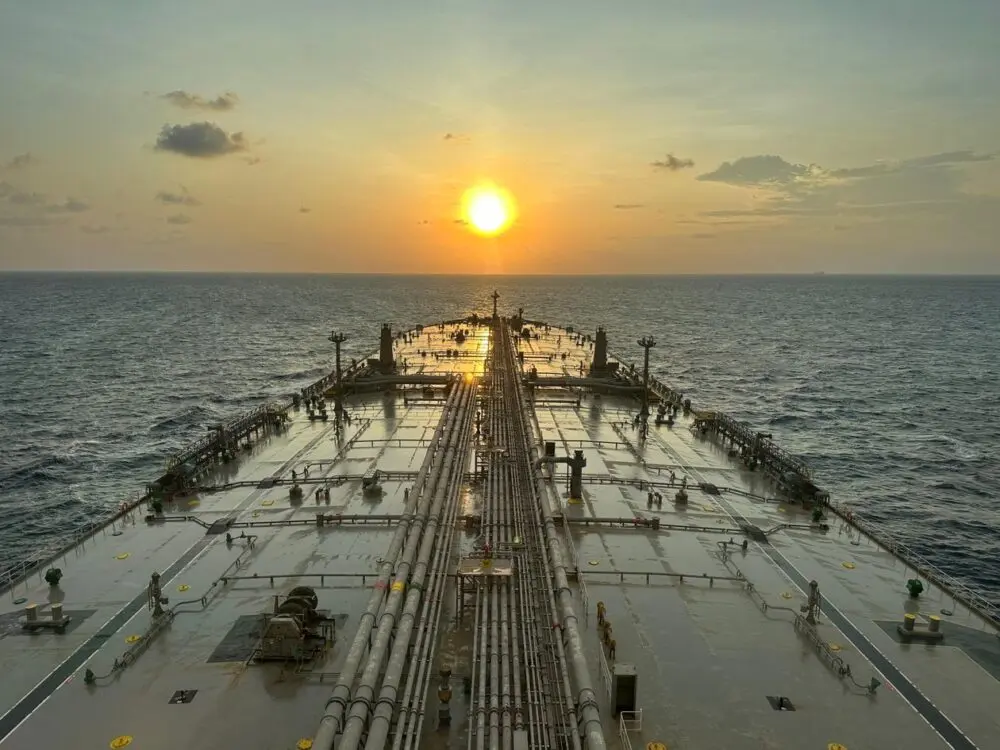
Production at Shaybah wasn’t hit. The shipping lanes are the larger risk. Kpler data cited by Reuters showed crude flows through the Hormuz region averaging about 8.5 million barrels a day over the prior seven days, down from more than 20 million the week before. A tanker also hit a naval mine in the southern strait on Sunday, according to Iran’s Revolutionary Guards, as relayed by Iranian media.
Analysts see no quick fix. UBS’s Giovanni Staunovo said flows below pre-conflict levels continue to support prices. SEB’s Bjarne Schieldrop expects the recent rise in Hormuz export volumes to be short-lived, since Iran could escalate before the November 3 U.S. midterm elections. Both views are opinions, but they point the same way.
Policy is trying to help. President Trump signed an order on Friday waiving some sanctions and tariffs on Russian energy exports, aiming to lower prices before the elections. Phillip Nova’s Priyanka Sachdeva said it did little to address the physical disruption in Hormuz. A Reuters survey also found OPEC output rose in September, led by Saudi Arabia and Iraq, a reminder that the kingdom was pumping more before the latest attacks.
What it means at the pump
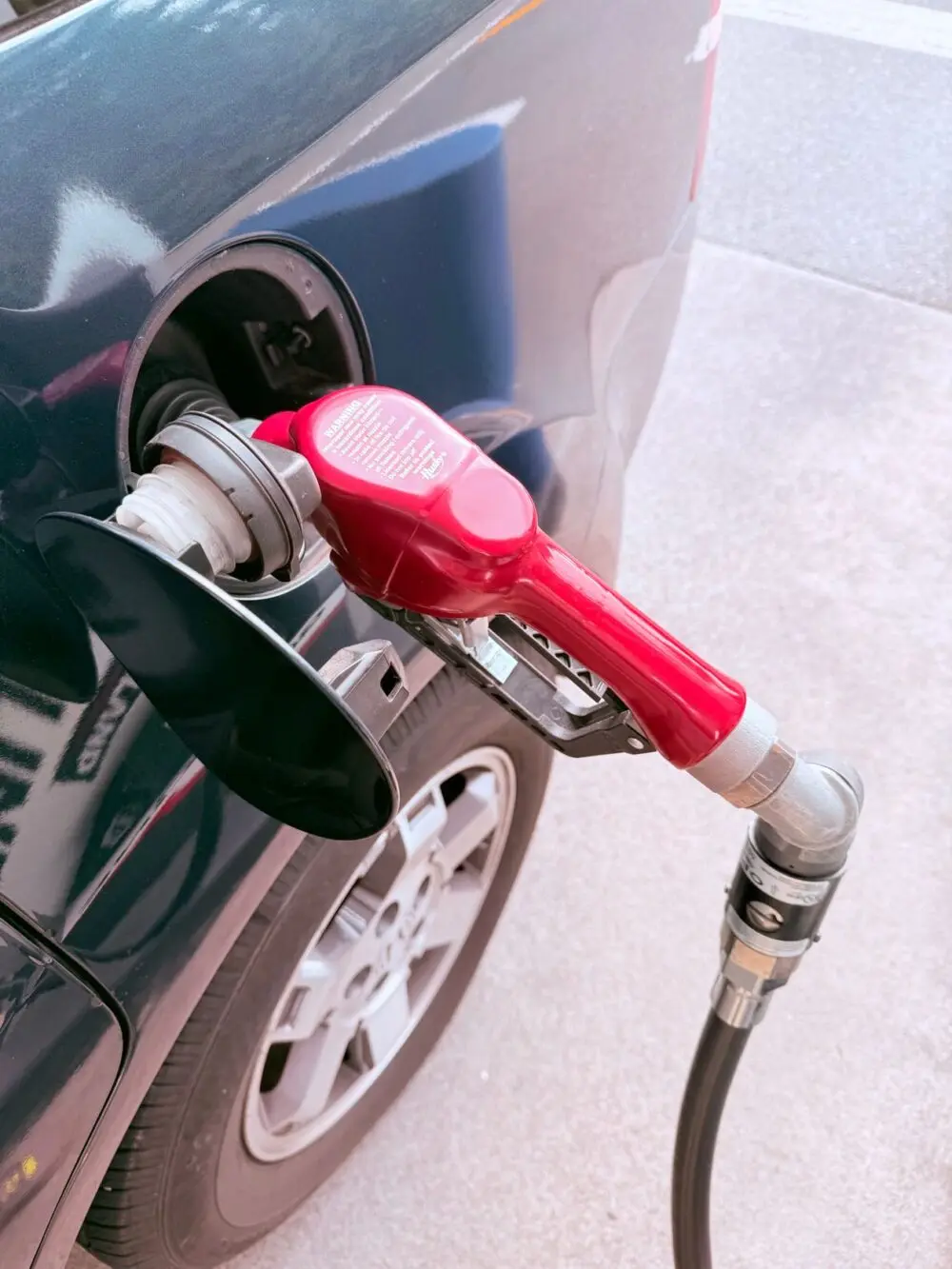
Start with our earlier report on gas prices. AAA put the U.S. regular average at $4.3344 on October 15, about 41% above a year earlier. A barrel holds 42 gallons, so each $1 move in crude works out to roughly 2.4 cents a gallon in raw cost, before refining, taxes, and distribution. A $10 move is about 24 cents. Pump prices usually follow crude with a lag, so a flat settlement like Wednesday’s shouldn’t shift your fill-up price by itself.
If you drive a lot, the most reliable lever isn’t timing the market. It’s your own habits: steady tire pressure, fewer short trips, and comparing prices along your route with a station-price app. Those are general tips, not a forecast.

Diesel is the bigger quiet cost. Trucks, trains, and farm equipment run on it, so higher diesel tends to show up later in freight charges and shelf prices. That’s a slow channel, and no single drone strike drives it.
Rates are the other channel. Our look at the 10-year Treasury yield noted it closed at 5.087% on October 16 and that the 30-year mortgage rate was 7.29% on October 15. Energy costs feed inflation, which is one input to the Federal Reserve’s October 27 to 28 meeting. At the time, markets saw about an 84% chance of a hold.
What to watch next
Four things will tell you more than any single Brent crude price. First, Kpler’s weekly Hormuz flow numbers. Second, whether the East-West pipeline restarts. Third, Egypt’s parliament, which delayed until October 26 a vote on helping Saudi Arabia against the Houthis. Fourth, the Fed meeting and the November 3 elections. This is general information, not financial advice.
Editor’s take
The headline says the Brent crude price is above $110. The settlement says $108.82 and flat. Either way, the level is the story, not Wednesday’s drone. Crude has sat near $110 for a week, and the real risk is a supply disruption that sticks, not one that makes news for a day. Treat one-day spikes as noise and track Hormuz flows.