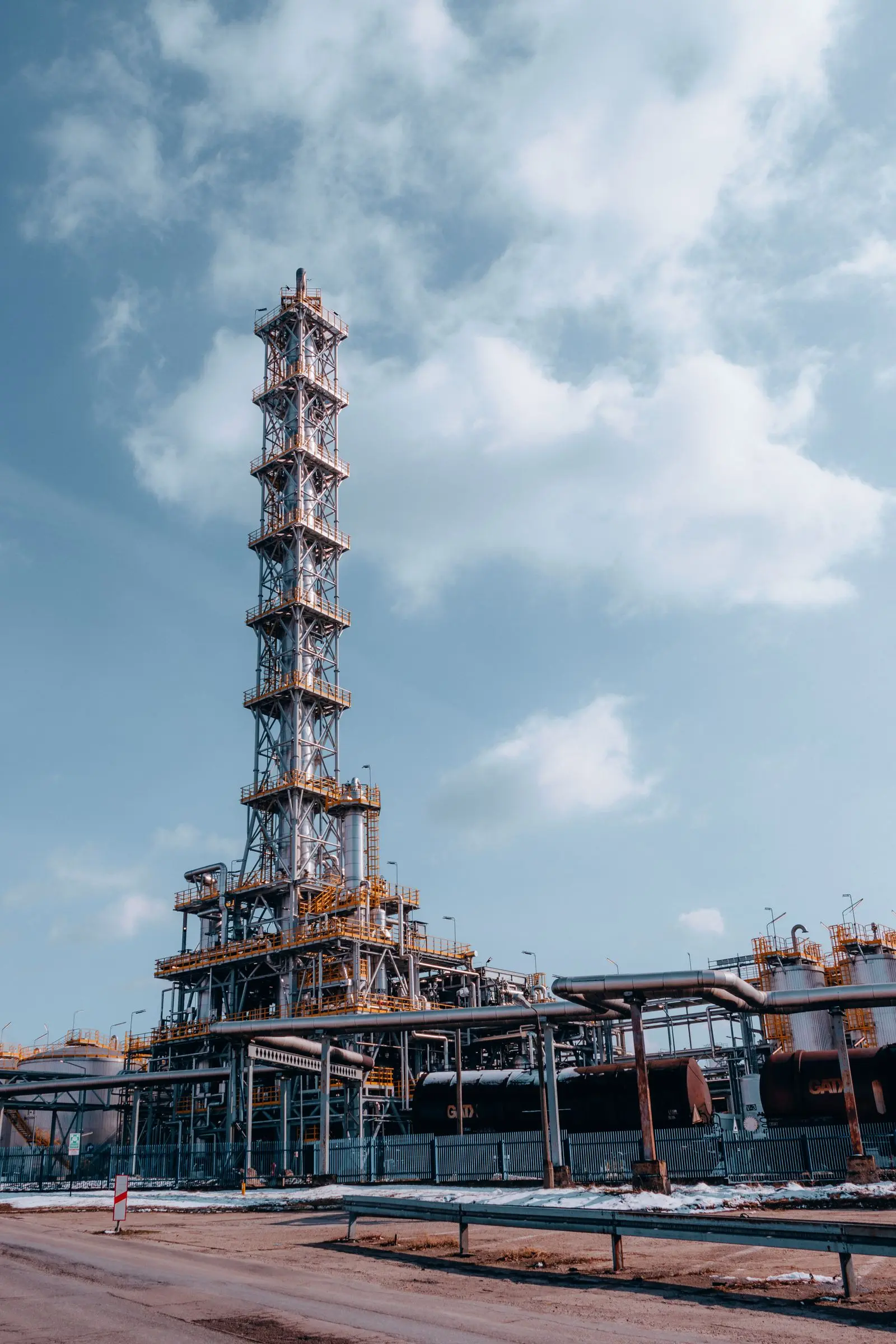
The Exxon Chevron Q3 results show how much of this year’s oil profit is coming from the refinery, not the well. Exxon reported adjusted earnings of $17.5 billion, or $4.23 a share, and Chevron reported adjusted earnings of $10.4 billion, or $5.28 a share, according to their Exxon and Chevron releases. Both companies reported before the open on Oct. 30.
Exxon: $15.4 billion in earnings and a $20 billion buyback plan
Under U.S. GAAP, ExxonMobil earned $15.4 billion, or $3.72 a share, in the quarter. Stripping out timing effects of negative $2.5 billion, or $0.61 a share, and identified items of positive $449 million, adjusted earnings were $17.5 billion, or $4.23 a share. Identified items included a $675 million gain on the sale of assets, according to the release.
Cash flow from operating activities was $25.7 billion and free cash flow was $19.1 billion. Upstream production was 4,496 thousand oil-equivalent barrels a day, and cash capital spending was $7.0 billion. Exxon returned $9.4 billion to shareholders: $4.3 billion in dividends and $5.1 billion in share repurchases. The quarterly dividend is $1.07 a share, payable Dec. 10 to holders of record Nov. 16, and the company said it plans $20 billion of repurchases in 2027, assuming reasonable market conditions.
Chevron: refining at a record pace
Chevron’s reported earnings attributable to the company rose to $9.9 billion from $3.5 billion a year earlier, on revenues and other income of $67.8 billion, up from $49.7 billion. Timing effects reduced the result by $1.6 billion. The biggest swing was downstream: earnings rose to $4.9 billion from $1.1 billion, helped by record U.S. refinery throughput of 1.09 million barrels a day. Upstream earnings rose to $5.7 billion from $3.3 billion, even though production slipped to 3.98 million oil-equivalent barrels a day from 4.09 million, per a summary of the release.
Brent crude averaged $97 a barrel in the quarter, against $69 a year earlier. Chevron generated $16.0 billion of operating cash flow and $12.0 billion of free cash flow, cut total debt by $3.5 billion to $33.5 billion, and bought back $2.5 billion of stock. The dividend is $1.78 a share, payable Dec. 10 to holders of record Nov. 18. The company also plans to invest $7 billion over five years in its Venezuelan joint ventures.
Why refining matters now
The same pattern showed up at BP, which reported underlying replacement cost profit of $8.5 billion against $2.2 billion a year earlier, a figure 24/7 Wall St. reported along with BP’s refining indicator margin of $46.70 a barrel. BP’s chief executive warned that refining margins were starting to ease as the driving season ends, which is a caution for the fourth quarter.
Our earnings preview had flagged the refining boost against lower oil prices as the two things to watch. For readers tracking what this means at the pump, the site’s gas prices and Brent crude page carries the running numbers.
What to watch next
Three things decide whether this quarter repeats. The first is the refining margin, which BP says is easing. The second is Brent, which has to hold near current levels for upstream earnings to stay strong. The third is capital discipline: Exxon’s $20 billion buyback for 2027 and Chevron’s debt reduction both depend on cash flow staying high. Production is the soft spot, with Chevron’s output down about 2.6% from a year ago.
Editor’s take
Watch refining margins, not the crude price. Both companies would have posted strong numbers on oil alone, but the jump in downstream earnings, from $1.1 billion to $4.9 billion at Chevron, is the part that is least likely to repeat. If margins keep easing as BP’s chief executive expects, the fourth quarter will show how much of this profit was a one-season windfall.