Short answer: Eli Lilly Q3 earnings were strong on the top line. Third-quarter revenue rose 39% to $24.4 billion, and the company raised its 2026 revenue forecast to $91 billion to $92 billion, according to Lilly’s earnings release. The catch is price. Volume jumped 53%, but the average price Lilly realized fell 15%.
| Measure | Q3 2026 |
|---|---|
| Revenue | $24.4 billion, up 39% |
| Volume / realized price | Volume up 53%, price down 15% |
| Mounjaro | $10.7 billion, up 65% |
| Zepbound | $5.4 billion, up 49% |
| Non-GAAP earnings per share | $7.48, up 7% |
| 2026 revenue forecast | $91 billion to $92 billion (was $85 billion to $87 billion) |
| 2026 non-GAAP EPS forecast | $35.00 to $36.00 (was $35.50 to $36.50) |
What the Eli Lilly Q3 earnings show
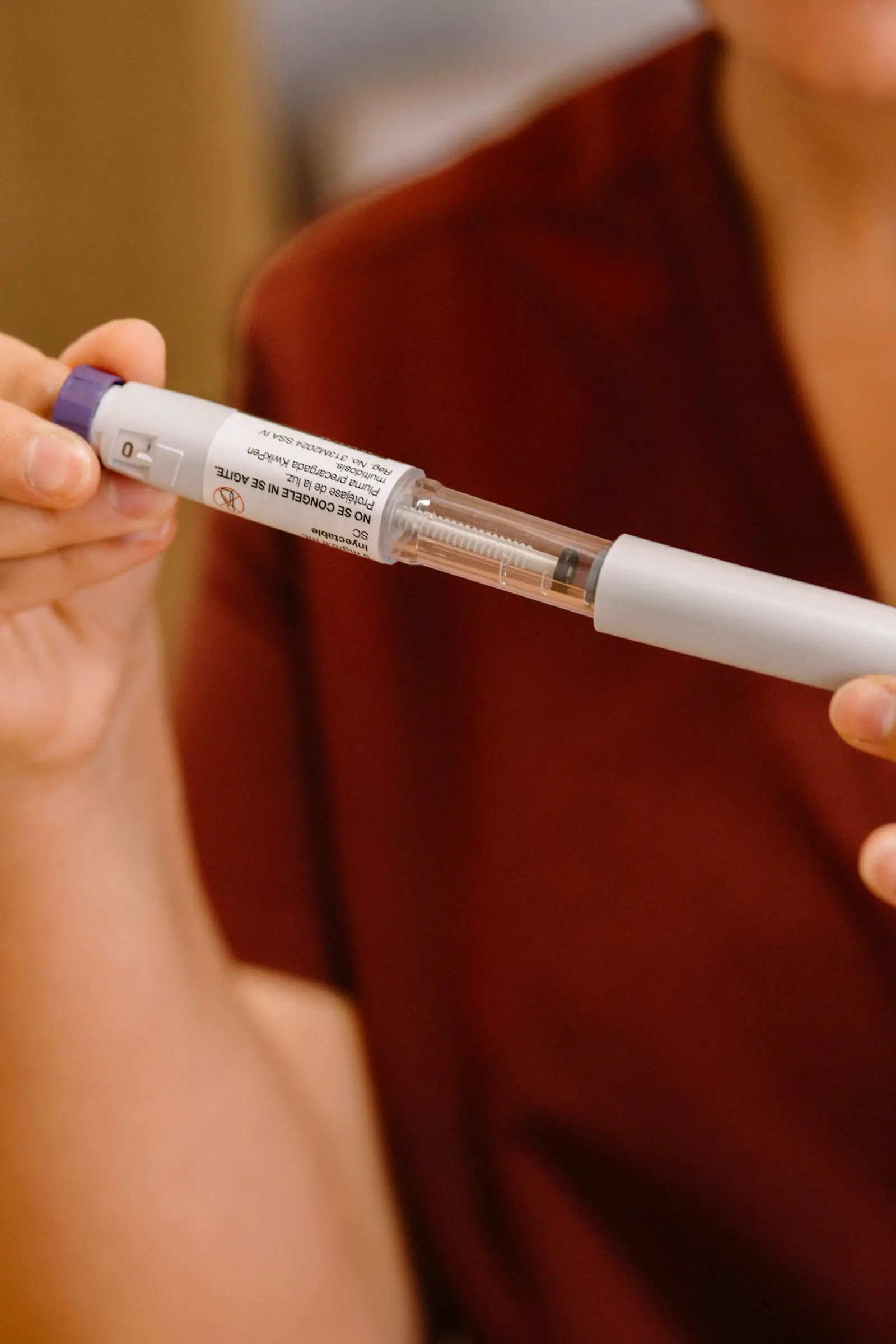
Lilly’s two big diabetes and weight-loss drugs did most of the lifting. Mounjaro brought in $10.7 billion, up 65%. Zepbound added $5.4 billion, up 49%. U.S. revenue grew 34% to $15.1 billion, and sales outside the United States grew 47% to $9.3 billion.
The company also reported $184 million in revenue from Foundayo, the brand name for its oral drug orforglipron, which it says has launched globally. Our Eli Lilly earnings preview listed Foundayo and Mounjaro pricing among the things to watch.
The price cut behind Eli Lilly Q3 earnings
Selling far more at lower prices is a different story from selling more at the same price. Realized prices fell 7% in the United States and 29% abroad, where volume rose 76%. TIKR reports the drop abroad reflects Mounjaro joining China’s national reimbursement list.
Lilly is not the only one in the squeeze. TIKR says Novo Nordisk’s U.S. Wegovy injectable sales fell 22% at constant currency on lower prices. Volume is growing fast, and prices are falling.
Why the EPS forecast went down
Look at the earnings line and the headline cheer fades. Lilly cut its 2026 non-GAAP earnings forecast by 50 cents at both ends, to $35.00 to $36.00. The reason is a $4.57 per share charge in the quarter for acquired research, mainly from the AtaiBeckley and Curevo deals. Without it, Lilly says, the underlying forecast would have risen by $4.07 at the midpoint.
TIKR also reports that about $900 million of third-quarter revenue was one-time. That figure comes from TIKR, not from Lilly’s release.
How Wall Street took the Eli Lilly Q3 earnings
TIKR reports analysts expected revenue of $22.6 billion and non-GAAP earnings of $6.61 per share, and that Lilly’s stock rose about 5% on the day. Lilly chief executive David Ricks said the company had another strong quarter and exceeded its prior expectations, which allowed it to raise the outlook.
For households, the weight-loss market is also a coverage story. Our Medicare open enrollment guide covers the weight-loss benefit and how to avoid scams.
What else Lilly announced
Beyond the sales, Lilly listed several regulatory wins. The FDA approved Mounjaro to reduce cardiovascular risk in adults with type 2 diabetes and approved Onswik, a once-weekly basal insulin. It also approved Inluriyo, used with Verzenio, for a type of advanced breast cancer, and an expanded use for Jaypirca in untreated chronic lymphocytic leukemia. Reported net income was $6.45 billion. TIKR puts the gross margin at 83.9%, about a point higher than a year earlier, which Lilly credits to product mix and cheaper production.
Editor’s take
The Eli Lilly Q3 earnings are a blowout quarter with a warning label. Lilly is winning the volume race, and its forecast shows how much room the business has. But a 15% drop in realized price shows what the GLP-1 boom is turning into: a mass-market drug business, where growth comes from selling to more people at lower prices. The next question is how long Lilly can keep volume rising fast enough to outrun falling prices.