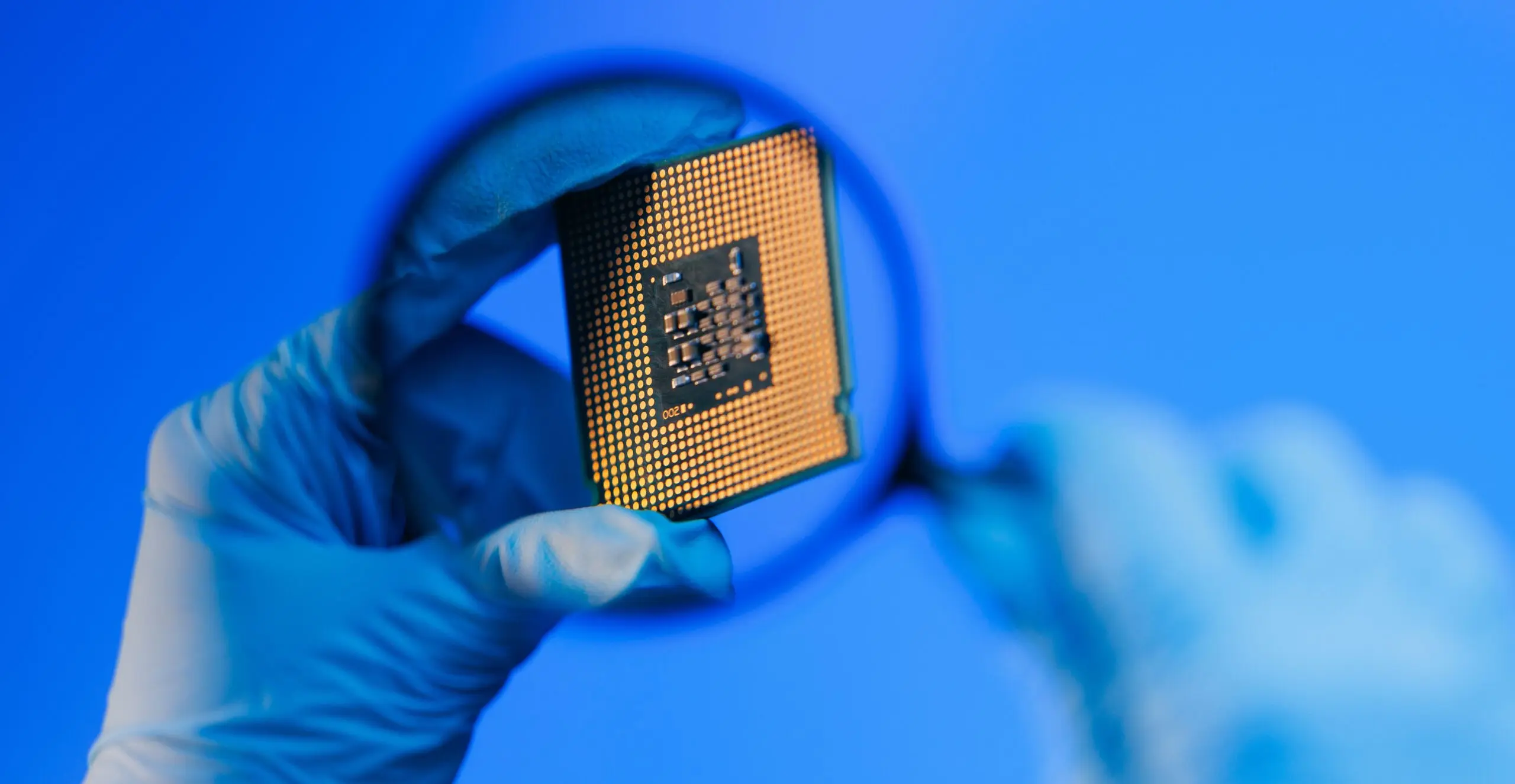
Short answer: Malaysian customs seized 30 servers carrying AI chips worth about $12.1 million at Kuala Lumpur’s airport on October 15, after officials said the shipment was falsely declared as electronic components. AI chip smuggling through Malaysia is still happening, more than a year after the country required a permit to stop it.
The seizure was reported by Reuters on October 28, and the details below come from Tom’s Hardware and PC Gamer.
| Item | Detail |
|---|---|
| Seized | October 15 |
| Place | Kuala Lumpur International Airport |
| Value | About $12.1 million (49.5 million ringgit) |
| Cargo | 30 servers with AI chips |
| Declared as | Electronic components |
| Chip maker and model | Not disclosed |
| Destination | Undisclosed Asian country |
How this AI chip smuggling case worked
The servers arrived from one Asian country and were headed to another, according to Reuters. Customs says they were labeled as ordinary electronic components. Airport customs director Aspalila Ag Tuah said the servers were routed through Malaysia “to ensure there would be no restrictions imposed.”
A Malaysian company involved in the shipment is helping with the investigation. Authorities suspect the same syndicate is behind earlier cases. The closest match is a June 5 seizure at the same airport: 72 servers with advanced AI chips, worth about $13 million, also declared as computer components. Reports put the network’s total at roughly $25 million across at least five cases.
The permit rule was supposed to stop this
In July 2025, Malaysia’s trade ministry said that exports, transshipments, and transits of high-performance U.S.-origin AI chips need a Strategic Trade Permit. The ministry’s notice took effect immediately under the Strategic Trade Act 2010. It called the measure an interim step while Malaysia reviews whether to add the chips to its formal list of controlled items.
Reports say this shipment should have required a permit. A false label is how cargo avoids the permit question, and customs says the same method turned up in earlier cases worth tens of millions of dollars. Stopping AI chip smuggling takes more than a permit on paper.
What the seizures show about AI chip smuggling
Two things are clear. Malaysian customs is catching some of these shipments, and the same kind of label keeps showing up. A rule that depends on the shipper to describe the cargo honestly is one that AI chip smuggling can get around with a single line on a form.
Much is still unknown. Authorities have not named the chip maker or model, the buyer, or the final destination. The reports do not say whether any charges have been filed. And no outsider can say how many shipments got through, because the public only sees the ones that were caught.
Why AI chip smuggling reaches beyond Malaysia
The United States restricts exports of advanced AI chips to China, and smugglers have used Malaysia, a U.S. ally that was not subject to those controls, as a hub for re-exports, Tom’s Hardware reports. Malaysia added its own controls at Washington’s request. Singapore and Taiwan have since adopted similar measures.
The stakes show up in the market. Our look at Nvidia’s China slide shows how much of the chip business depends on rules about where the hardware can go. Our explainer on helium as a critical material shows how tight the wider chip supply chain already is.
Editor’s take
Fines and seizures only matter if they cost more than the chips are worth. A server rack of AI chips can be worth millions, and the cost of lying about it is one line on a customs form. Until the penalty for a false declaration is larger than the profit from a successful one, AI chip smuggling will stay a business model. The next test is whether anyone is charged.