We may earn a commission when you buy through links on this page. It doesn't change what we recommend.
September retail sales came in far hotter than forecasters expected, and the headline looks like good news for the economy. The Commerce Department reported on Thursday, October 15, that retail sales rose 0.8% in September, well above the 0.3% gain economists polled by FactSet had predicted. But the number is not adjusted for inflation, and a large share of it came from one place: the pump. This piece breaks down what September retail sales actually show, where the money went, and what the report means for a household budget heading into the holidays.
What September retail sales showed
According to the AP report on PBS NewsHour, September’s 0.8% followed a revised 1.3% gain in August, and it beat the forecast by a wide margin, which is why the report drew attention. The catch is in the detail. Excluding gas stations, sales rose just 0.2%.
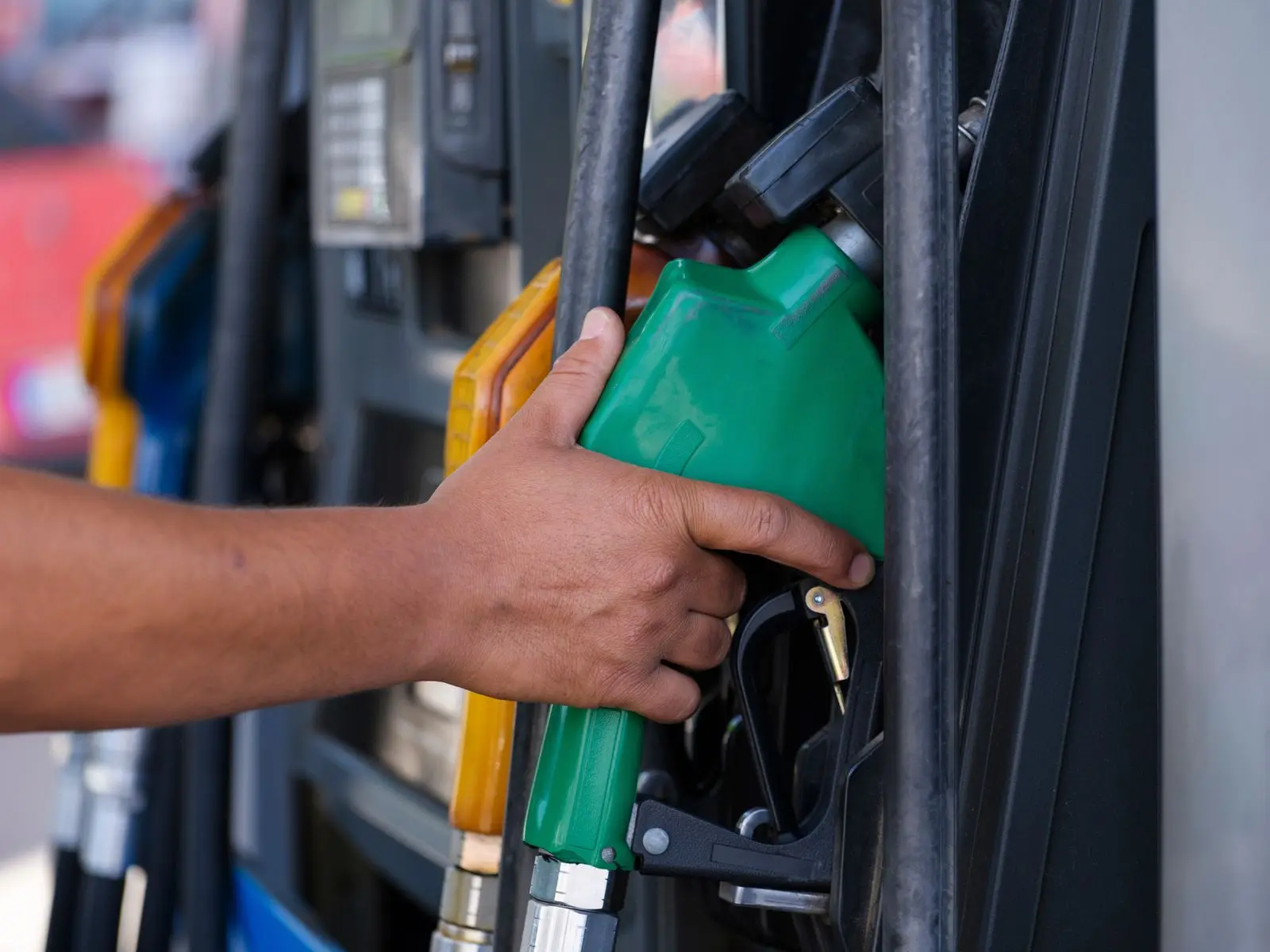
That gap is the story. Gas stations alone jumped 6.4% in September, so most of the headline gain reflects what people paid for fuel rather than a surge in what they bought. Michael Pearce, chief U.S. economist at Oxford Economics, put it bluntly in that report: the jump in headline sales was almost entirely due to rising gasoline prices.
Where the money went

Beyond fuel, the picture was mixed. ABC News, running the same AP story, lists department stores up 1.6%, furniture and home furnishings up 1.3%, restaurants up 1.1%, electronics and appliance stores up 0.6%, and online retailers up 0.3%. Clothing and accessories were flat. Restaurants were the only services category in the report, which also leaves out travel and hotel stays.
Two things stand out. First, restaurants and department stores both grew faster than online retailers, which is not what many people expect in an age of one-click shopping. Second, because the figures are not adjusted for inflation, higher spending does not always mean more stuff in shopping bags.
Why gas matters so much right now
AAA put the average price of regular gasoline at $4.33 a gallon on the day of the report. Before the war began, gas cost less than $3 a gallon, according to the same AP story. We covered the price shock and what’s behind it in our report on gas at $4.33 and Brent crude above $110, so we won’t repeat that here.

What matters for retail sales is arithmetic. When a gallon costs more, the dollars flowing through gas stations rise even if nobody drives more. A driver who fills up weekly spends more at the pump and has less left for everything else. That’s one reason economists look at the figure with gas stations removed.
Prices are rising too
The retail report arrived one day after the inflation report. The Labor Department said consumer prices rose 3.7% in September from a year earlier, up from 3.4% in August. On a monthly basis prices rose 0.6%, the largest increase in five months, up from 0.4% in August. Toys, new and used cars, sporting goods, and shoes rose quickly.
Put those together and the retail report looks different. Retail sales are measured in dollars, not in items sold. If prices are rising at a 3.7% annual pace, a strong dollar figure can hide flat or falling volumes. That’s why Natalie Kotlyar, national leader of BDO’s retail and consumer products practice, said she would not read the report as a sign of broad strength. In her words, part of the gain is simply higher prices, and many shoppers are leaning on savings and promotions.
The jobs backdrop
Spending has to be funded by something, and the labor market is not giving it much help. Employers added just 29,000 jobs in September, a disappointing number, and the unemployment rate ticked up. Slow hiring combined with faster prices is a hard mix for household budgets, because paychecks grow more slowly than the cost of living.
Pearce still expects consumer spending to grow at a 3.3% annualized pace in the third quarter. But he also expects it to lose momentum heading into the holiday season as higher prices weigh on consumers. Kotlyar said strong sales can’t continue indefinitely while paychecks lag behind prices, and she advised retailers to protect profit margins and keep inventory flexible through November and December.
What this means for your budget

None of this is a forecast for any one household, but the report suggests a few practical checks. The first is to separate fixed costs from the ones that move with prices, such as fuel and groceries, since those are the lines most likely to run over. A simple monthly plan, like the one in our guide to making a budget, makes that easy to see.
The second is to set a holiday spending limit before the sales start rather than after the bills arrive. Promotions can make a purchase feel like a bargain, but a discount on something you did not plan to buy is still spending. The third is to look at where your cash sits. If you’re holding savings for emergencies, check what it earns, and if you’re carrying a card balance, check the rate you’re paying. This is general information, not financial advice, and anyone with a specific situation should talk with a qualified professional.
What to watch next
The next signals are the October inflation and retail reports, which will show whether September was a one-month spike tied to fuel or the start of a broader trend. Gas prices are the swing factor. If they ease, headline retail sales could cool even while shoppers behave exactly as before. If they stay high, the gap between headline and ex-gas figures will probably stay wide too. Retailers’ own holiday commentary will say more about what stores expect from shoppers.
Editor’s take
September retail sales are a good example of why one number rarely tells the whole story. The headline said consumers were strong, but the detail said fuel prices did most of the work, and shoppers are drawing on savings and watching promotions. That doesn’t mean a downturn is coming, and spending held up better than forecasters expected. It does mean readers should be careful about celebrating a dollar figure that prices are inflating. For households, the safest read is to plan for another expensive holiday season and keep some room in the budget for it.