We may earn a commission when you buy through links on this page. It doesn't change what we recommend.
Last checked . Picks are based on the prices, rates, fees and terms each provider publishes, checked at the source. We never rank products by commission. See how we’re funded.
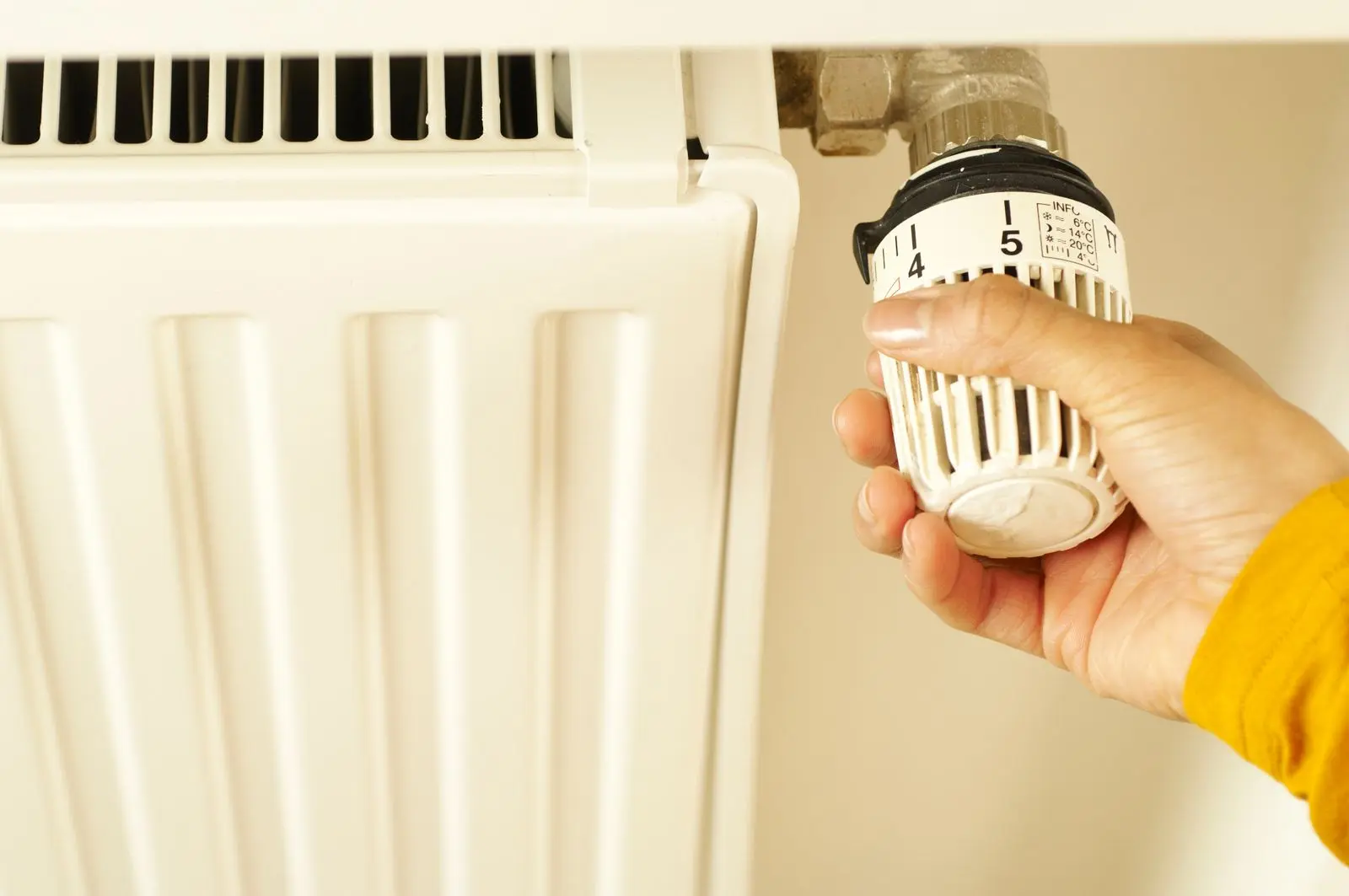
Winter heating costs are heading in two directions this year, and which way yours goes depends on what you burn. The U.S. Energy Information Administration expects households that heat with natural gas to pay less than last winter, while homes on heating oil face a jump of about 21 percent. A second forecast, from a group that represents state energy-assistance offices, sees higher bills across the board. With oil trading above $100 a barrel, it’s worth knowing your numbers before the first cold snap.
This guide to winter heating costs covers what the two forecasts say, who is hit hardest, practical ways to trim a bill, and how to get help paying one. It is general information, not financial advice.
Winter heating costs in 2026-27: what the forecasts say
The EIA’s Winter Fuels Outlook, published October 6, has the full breakdown, and the spread is wide. Gas homes should pay about $640, which is 9 percent less than last winter. Heating oil homes should pay about $2,115, up 21 percent. Propane at $1,246 (down 3 percent) and electricity at $1,196 (up 4 percent) sit in between. Oil is the culprit. A gallon costs $5.26, 34 percent more than a year ago. The agency’s figures are nominal and assume about 2 percent inflation.
Where you live matters as much as what you burn. In the Northeast, the EIA sees gas households paying about $879, down 14 percent. In the West, it’s about $590, up 7 percent. Weather explains it. The agency assumes a warmer Northeast than last year’s cold winter and a much colder West than last year’s unusually warm one. It also warns that a strong El Niño could throw the forecast off.
The other forecast is more pessimistic. The National Energy Assistance Directors Association, or NEADA, projects an average of about $1,030 per household, up 8.7 percent, according to ConsumerAffairs’ summary of its numbers. It puts heating oil up 31.3 percent, electricity up 9 percent, propane up 8.7 percent and natural gas up 5.8 percent. The two forecasts disagree on gas because they use different methods. Both agree that heating oil is the biggest jump. Treat each as a planning benchmark, not a prediction of your own bill.
Who feels winter heating costs most
The average hides a wide spread, and the poorest households carry the most weight. NEADA says electricity and gas took about 9.9 percent of income for the lowest-income fifth of households in 2025, compared with 1.25 percent for the wealthiest fifth. It estimates that roughly one in six households is behind on a utility bill, and that utilities cut off electric service about 13.4 million times in 2024.

Oil heat is where the pain is sharpest. A heating oil dealer told WCPO in Cincinnati that a large home burning 800 gallons at about $6 a gallon would see a bill near $5,000. The EIA’s average household burns 402 gallons, so bigger houses, older furnaces and colder regions can land far above it. Rising utility rates don’t help: NEADA counts more than 275 utilities that have raised or proposed higher rates since 2025.
Ways to lower your winter heating costs
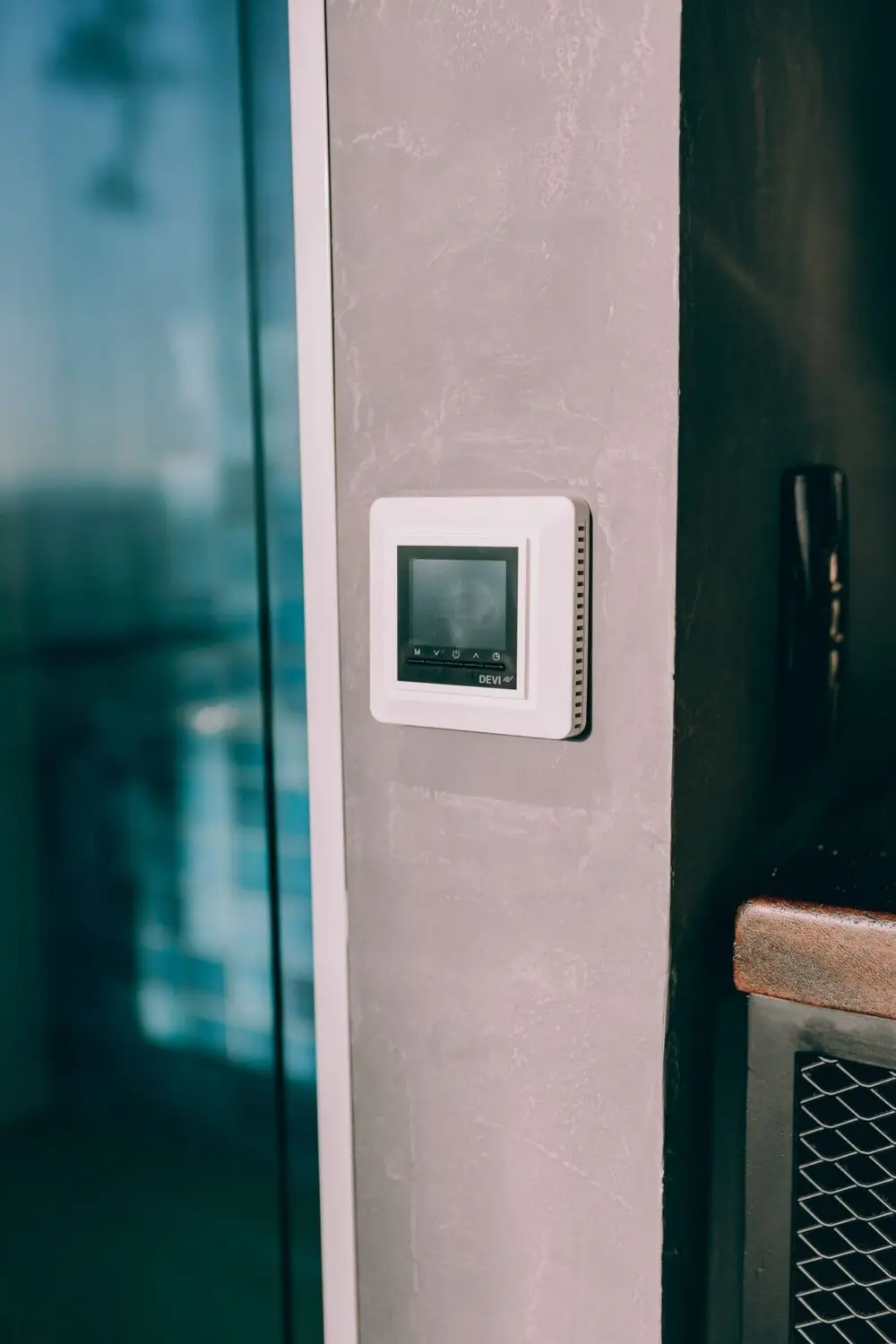
Start with the cheap fixes. A new furnace filter runs about $20 and should be swapped roughly every three months. A yearly furnace tune-up costs about $75 to $100. A programmable or smart thermostat is under $100, and turning the heat down while you sleep or are out is among the easiest ways to use less. Those figures come from WCPO’s reporting.
Next, stop the air leaks. Seal gaps around doors and windows, and add insulation where you can. Close the curtains at night and open them on sunny days. If you own your home, check with your utility and your state before you buy anything, because many offer rebates for insulation or efficient equipment.
If you heat with oil or propane, shop around. Compare delivery prices from at least two dealers, ask about budget plans or fixed-price contracts and read the terms, and don’t let the tank run low, because emergency deliveries cost more. WCPO’s report mentions filling a tank only halfway in hopes of lower prices later, but notes that this is a gamble. For the wider energy picture, see our look at gas prices at $4.33 and why Brent matters.
How to get help paying heating bills
The federal Low Income Home Energy Assistance Program, or LIHEAP, helps with heating bills, utility shutoffs, emergency repairs and, in many states, weatherization. It’s run by states, territories and tribes, so the rules differ by place. Renters can qualify. The Administration for Children and Families says only about 20 percent of qualified households receive help, because funds are limited, and the program doesn’t pay your whole bill.
To apply, go to EnergyHelp.us or call the National Energy Assistance Referral Hotline at 1-866-674-6327, weekdays from 9 a.m. to 7 p.m. Eastern. Applications go to your state or local office, not Washington. Pennsylvania’s program is one example. Grants there range from $200 to $1,000, the limit for a four-person household is $49,500 a year, and the 2026-27 season opens November 2. Check your own state, because dates vary.
Be careful with scams. LIHEAP charges no fee and doesn’t give grants directly to individuals, the agency says. Report offers that ask for payment to the HHS fraud line at 1-800-447-8477. Our guide to spotting a scam text explains the warning signs. If you’re already behind, call your utility before a shutoff notice arrives and ask about payment plans. Protections for winter shutoffs vary by state.
What to watch next
The EIA will update its outlook on November 10, and the weather will matter more than any forecast. Congress is also deciding whether to raise LIHEAP funding. NEADA wants it lifted from about $4 billion to $7 billion, and in July it asked for a one-time $3 billion boost. A cold December, or a new jump in oil prices, would push winter heating costs above both projections.
Editor’s take
Treat winter heating costs as a bill you can plan for rather than a surprise. Look up what you paid last January, add the percentage that matches your fuel from the forecasts above, and set that amount aside now. Then spend a weekend on the cheap fixes, and if the number still scares you, call the hotline or your utility in October, not in February. Our guide to building an emergency fund can help you cover a spike.