We may earn a commission when you buy through links on this page. It doesn't change what we recommend.
Last checked . Picks are based on the prices, rates, fees and terms each provider publishes, checked at the source. We never rank products by commission. See how we’re funded.
Set a reminder for Saturday night. Daylight saving time ends on Sunday, November 1, 2026, at 2:00 a.m. local time, when clocks fall back to 1:00 a.m. Most of us get an extra hour in bed. It’s the friendlier clock change, and it still catches people out: the car clock nobody remembers, the smoke alarm that’s been chirping for weeks, the Monday when it’s suddenly dark by 5 p.m. Here’s what to do this weekend, and where the push to end all this stands.
When daylight saving time ends
The current rule runs from the second Sunday in March to the first Sunday in November, set by the Energy Policy Act of 2005, according to the Farmers’ Almanac. This year it started on March 8 and ends November 1, which is the earliest date the rule allows. The next spring-forward is Sunday, March 14, 2027.
A few places skip the whole thing. Hawaii and most of Arizona stay on standard time all year, the Almanac says, along with American Samoa, Guam, the Northern Mariana Islands, Puerto Rico, and the U.S. Virgin Islands. The Navajo Nation in Arizona does change its clocks. Got family or coworkers in one of those places? Your time gap with them shifts by an hour until March.
What changes on its own, and what doesn’t
Your phone and laptop will fix themselves overnight, as long as they’re set to use network time. Many cable boxes and smart TVs will too. Everything else needs you. Microwaves, ovens, coffee makers, wall clocks, and wristwatches all want a hand, and so do plenty of car dashboards, thermostat schedules, sprinkler timers, and the plug-in timers on holiday lights.
A simple routine helps. Walk through the house on Sunday morning with a coffee and fix each clock as you pass it. Skip Saturday night, since you’ll forget which ones you did. If a device has a schedule, such as a thermostat or a pet feeder, check that the schedule moved with the clock. A heating schedule that’s an hour off costs real money, and our winter heating costs guide has more on keeping that bill in check.

While you’re at it, treat the extra hour as a chore slot. It’s a good moment to run through our guide to backing up your phone, since a backup takes a few minutes and you’ll rarely feel like doing one on a busy weeknight.
Check your smoke alarms
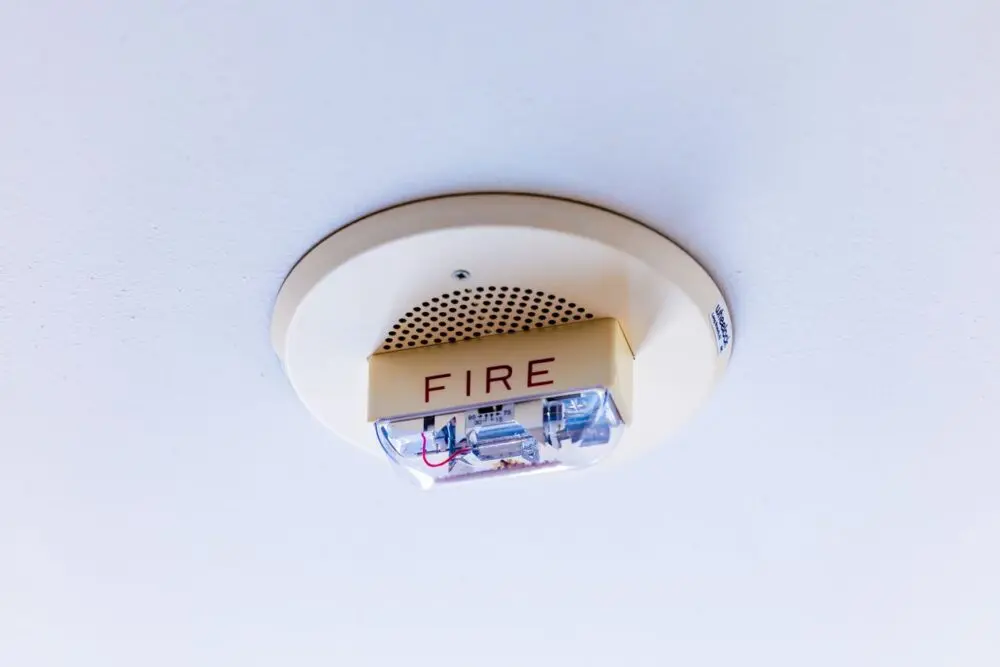
Fire officials have long paired alarm checks with the clock change, and the logic is sound. The West Virginia State Fire Marshal’s office, citing National Fire Protection Association guidance, says to press the test button on every alarm each month and replace any that’s 10 years old or fails the test. Its sobering number: 71% of smoke alarms that failed to work had missing, disconnected, or dead batteries.
Battery advice isn’t uniform. The fire marshal’s office says to swap batteries when you set clocks ahead, and at least once a year for standard alarms. First Alert, an alarm maker, cites NFPA in suggesting every six months. Your manual has the final word. Sealed 10-year alarms are different, since you never change the battery. You replace the whole unit when it chirps or hits 10 years, counting from the date on the back.
How to handle the sleep shift
Falling back is usually called the easier change, but your body clock still notices. The American Academy of Sleep Medicine has a few simple suggestions. A few nights ahead, push bedtime 15 to 20 minutes later, unless you’re already short on sleep, in which case just enjoy the extra hour. Slide meals and routines toward the new schedule. Set clocks back Saturday evening, keep your usual bedtime, and keep morning light low until your target wake-up time. Then guard Sunday night’s sleep so Monday starts rested.
Parents and shift workers feel this one most. Kids don’t care what the clock says. If yours wake at 6 a.m. by habit, they’ll be up at what feels like 5 a.m. to you. A small shift in bedtime each night, like the sleep academy suggests for adults, usually beats one big jump.
Will Congress end the clock change?
Not this year. The Sunshine Protection Act, H.R. 139, passed the House on July 14, 2026, with 308 votes in favor, Time reported. It would make daylight saving time permanent, with states able to opt out. The Senate received it on July 15 and sent it to the Commerce, Science, and Transportation Committee, per the Farmers’ Almanac. As of this writing it hasn’t become law, and the Almanac notes the Senate passed a similar bill in 2022 that the House never took up.
So the clocks change on November 1. If a bill did become law later, the effect would come in a future year, not this fall. One more wrinkle: the sleep medicine academy argues for permanent standard time, not permanent daylight time, because it says standard time best matches human circadian biology. That disagreement is part of why the debate keeps stalling.
A quick checklist for the day daylight saving time ends
Fix the manual clocks on Sunday morning. Confirm thermostat and timer schedules moved too. Test every smoke alarm and replace any that are 10 years old. Keep your Saturday bedtime normal, and get outside in the morning light. Then expect early sunsets, because the evening commute will be dark for a while.

That darkness is the part people underestimate. Once daylight saving time ends, sunset arrives about an hour earlier by the clock, so the walk home, the school pickup, and the evening dog walk all happen in the dark. Put a porch light on a timer, keep a flashlight by the door, and wear something reflective if you’re out on foot or on a bike.
Editor’s take
When daylight saving time ends, the extra hour is nice, but the smoke alarm check is the one chore that matters. The NFPA says smoke alarms cut the risk of dying in a home fire in half, and the clock change is a cheap reminder to look at yours. The permanent-time debate can wait. This weekend, spend ten minutes on the batteries.