
The AI stock selloff hit a new gear on Friday. The NASDAQ Composite fell 2.14% to 26,140, and by CBS News‘ count it finished its worst week since June. Yahoo Finance puts the weekly loss at about 4.5%. The S&P 500 slid 1.09% on the day and about 2% on the week, while the Dow, with fewer chip names in it, managed a small weekly gain.
If you own a target-date fund, an S&P 500 index fund or a 401(k) full of the usual large-cap funds, some of that fell on your statement too. So here’s what actually happened in the AI stock selloff, what’s driving it, and what remains unknown.
What happened to chip stocks on Friday
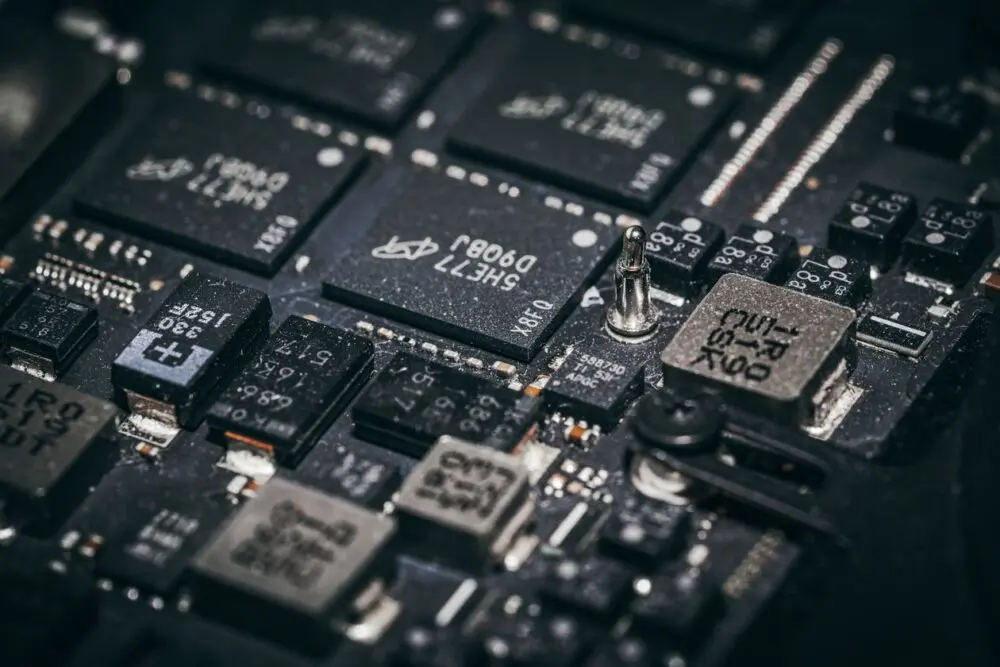
The sharpest damage was in semiconductors. Investing.com reports the Philadelphia Semiconductor Index dropped 3.83% to 11,137.29, its eighth straight daily decline and its longest losing streak since October 2008. Only that outlet gave the streak count, so treat “eighth” as one source’s tally until a second confirms it. The same report says all 30 members of the index finished lower and that the group is down about 16% since its last winning day, October 6.
The household names took it on the chin. CBS has Micron down 5.6%, AMD down about 6%, Intel down 5.8% and Broadcom down 4.5%. Nvidia fell less, about 1.5% by Yahoo’s figures. Apple was the lone gainer among the Magnificent Seven, up about half a percent.
That matters because the biggest index funds are top-heavy. Chip and AI-adjacent software names make up a large slice of the Nasdaq and a meaningful one of the S&P 500, so a rough week for them shows up in portfolios that never bought a single semiconductor stock on purpose.
Why the AI stock selloff is happening
There isn’t one cause behind the AI stock selloff, and the sources disagree on how to rank them. Two themes show up again and again.

The first driver of the AI stock selloff is debt. CBS says tech stocks spent the week under pressure over heavy borrowing to pay for data centers and AI computing power. Analysts quoted there single out the so-called neocloud companies, which fund their spending with borrowed money rather than cash flow. CoreWeave, the best-known of them, fell roughly 12% on Friday alone. We’ll cover its debt in a separate piece. For this story, the point is simpler: when investors start asking how the AI buildout gets paid for, valuations get tested. Our earlier look at how the AI boom is running on borrowed money laid out why that question matters for vendors and customers alike.
The second is inflation and interest rates. Yahoo Finance says this week’s consumer and producer price readings both came in hotter than expected. The 10-year Treasury yield closed above 5.09%, after touching 5.33% following Wednesday’s inflation report. Higher yields make borrowed money pricier and make future profits worth less today, which hits long-duration growth stocks hardest. We broke down the September inflation data and what it did to Fed hike odds earlier this week, and the producer price numbers in a separate piece on the Fed chair’s silence.
Oil gets a mention too. Yahoo notes crude rose Friday on Middle East risk, with Brent near $110. Only one of the three sources ties oil directly to the stock move, so think of it as background pressure rather than a proven cause.
What the Fed could do next
The Fed raised rates in September, according to CBS, and the next meeting is October 28 and 29. Traders don’t expect a move then. December is another story. Yahoo cites about 89% odds of a hike, while CBS cites 74.3%, up from about 50% a month earlier. The gap probably reflects different snapshot times, so check the CME FedWatch tool yourself before leaning on either number. Either way, the direction is clear: the odds climbed.
What this means for ordinary investors
This isn’t advice, and nobody can say whether the AI stock selloff continues Monday or bounces. A few plain facts are worth keeping in mind, though.
A weekly drop like this AI stock selloff is uncomfortable but not unusual. Yahoo notes the Nasdaq entered the week on a four-week winning streak, and the chip index had risen more than 60% this year through early October, per Investing.com. A big run followed by a sharp pullback is a pattern, not a verdict.
Concentration is the real lesson. If a large share of your retirement money sits in one or two index funds, check what’s inside them. Fund fact sheets list the top ten holdings, and it takes two minutes. Many people find out they own far more AI exposure than they thought.
Time horizon matters more than headlines. Money you need in the next few years sits in a different spot from money you won’t touch for decades. A selloff is a reminder to check that split, not a signal to rip anything up. If you’re within a few years of retiring, it’s also a fair moment to look at how much of your stock money sits in growth-heavy funds versus broader or steadier ones, and whether that mix still fits how you’d feel after another week like this one.
What we don’t know yet
Several pieces are missing. None of the sources we reviewed gave the actual September CPI or PPI figures behind the “hot” label. No outlet offered a verified calendar for next week’s earnings and data. And one outlet’s claim that doubts over a pending AI company IPO fed the selloff rests on a single report, so we’re not building anything on it.

It also remains an open question whether the AI stock selloff is about AI debt specifically or about inflation and rates broadly. The sources emphasize both, and they feed each other: higher rates make the debt-funded buildout harder to justify.
Editor’s take
The AI stock selloff looked like a market arguing with itself. Investors want AI growth, and they also want cheap money, and this week they couldn’t have both. The chip rout stands out because it came so fast after such a run. Watch the 10-year yield and the Fed’s tone before the October 28 meeting. If yields ease, the pressure on AI names may too. If they don’t, expect more days like Friday.