We may earn a commission when you buy through links on this page. It doesn't change what we recommend.
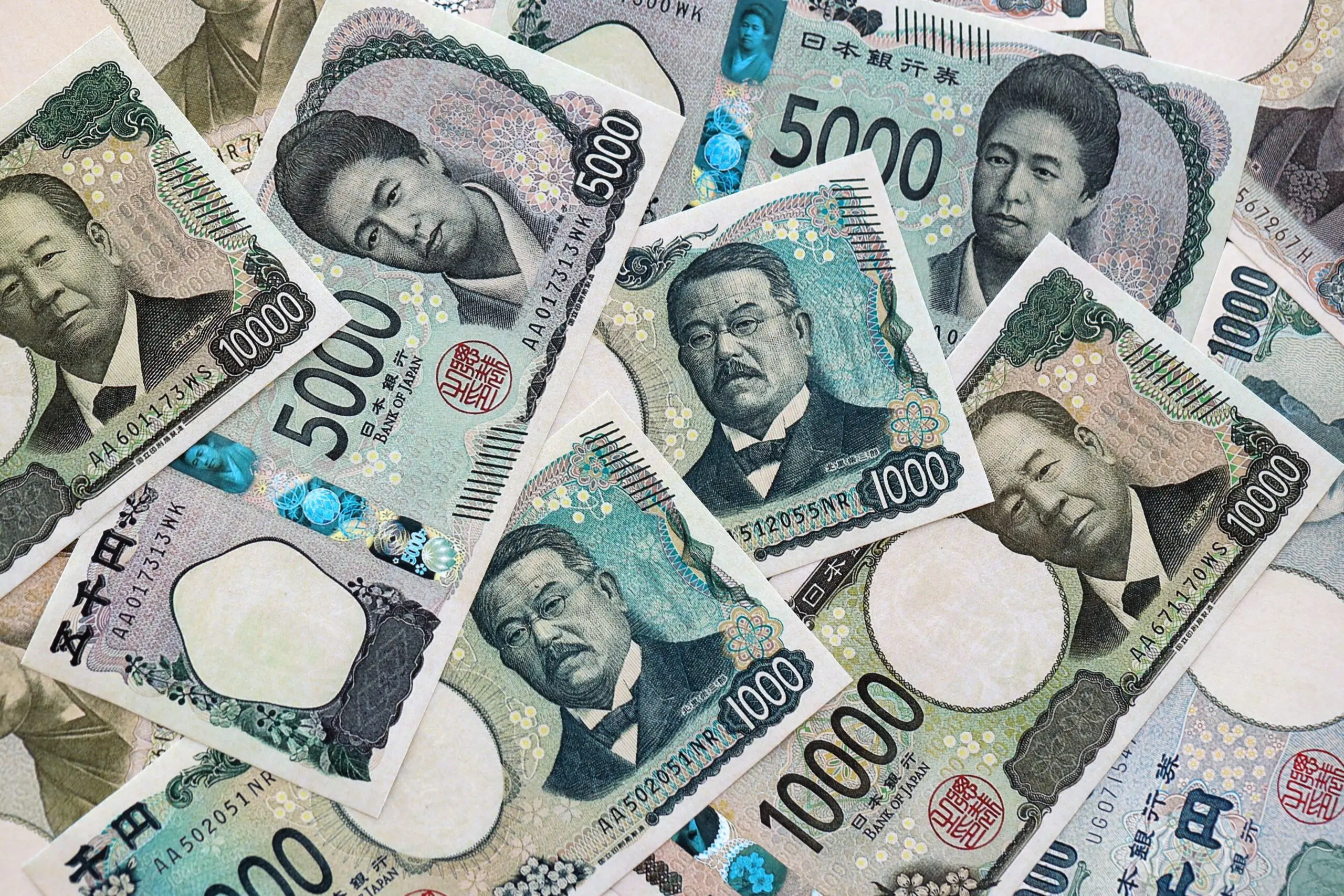
The Bank of Japan holds its policy rate at around 1.25%, but the decision was not unanimous. In its Oct. 30 statement on monetary policy, the Policy Board said it “will encourage the uncollateralized overnight call rate to remain at around 1.25 percent.” The vote was 8-1, and the statement itself also set out a faster schedule for selling the Bank’s exchange-traded fund holdings.
Why the Bank of Japan holds with a dissent
The dissent came from board member Takata Hajime, who proposed raising the guideline to about 1.5%. According to the statement, he argued that underlying consumer price inflation had reached the Bank’s price stability target, so the Bank needed to move faster toward what it considers a neutral rate. His proposal was defeated.
The statement does not include the Bank’s inflation forecasts or give forward guidance beyond the rate decision; those sit in a separate outlook report. The Bank’s move up to 1.25% came earlier this autumn, according to Nation Thailand, which described it as a 31-year high.
ETF sales will speed up
The more concrete change was to the Bank’s holdings of exchange-traded funds. It will sell ETFs at a pace of about 0.1% of market trading value, which works out to roughly 860 billion yen a year at book value, up from about 330 billion yen. The faster pace takes effect in January 2027. The Bank said sales may be temporarily adjusted or suspended within the annual pace in response to market conditions. Sales of J-REITs stay at about 5 billion yen a year.
Put another way, the annual pace of ETF sales is set to rise by a factor of about 2.6, from roughly 330 billion yen to roughly 860 billion yen, even though the policy rate itself did not change.
What a split vote signals
A split vote in favor of a higher rate is a signal about direction, even when the rate does not move. It shows at least one voter already considers the current stance too loose, and the faster ETF sales point the same way: toward a smaller central bank footprint in the market.
For U.S. readers, the link is indirect. The Federal Reserve also held rates this week, and central banks are moving at different speeds, a theme that matters for currencies and demand for Treasuries. The Fed has also said it will hold fewer rate decisions in 2027 and 2028.
Editor’s take
Watch the dissent count, not the rate. The Bank of Japan did nothing on the headline number, but one vote for a faster path, plus a larger ETF sales schedule starting in January, suggests the next move is more likely to be up than down. The next meeting will show whether a second board member joins Takata.