We may earn a commission when you buy through links on this page. It doesn't change what we recommend.
Last checked . Picks are based on the prices, rates, fees and terms each provider publishes, checked at the source. We never rank products by commission. See how we’re funded.
Drive home on Saturday, October 31, and you still catch some dusk. Drive the same road on Sunday and it is dark. Daylight saving time ends at 2 a.m. on November 1, 2026, and the clocks fall back an hour.
Daylight Saving Time and Driving: What Changes
Why is driving riskier after daylight saving time ends?
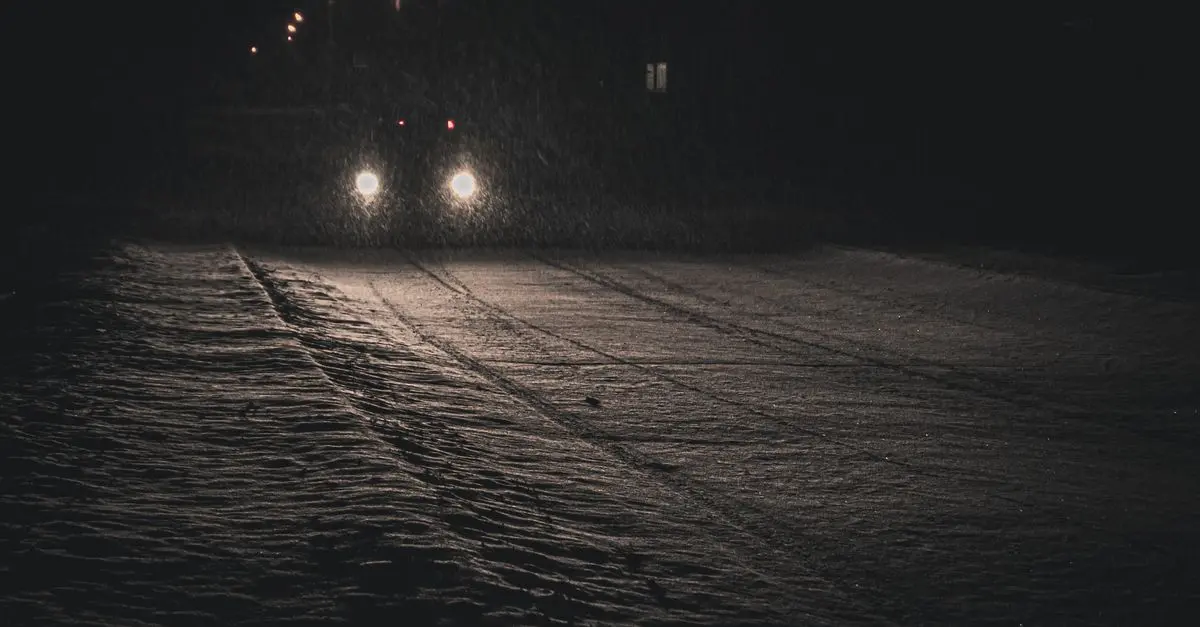
Rush hour moves into the dark, and pedestrians pay for it. Of the 7,080 pedestrians killed in 2024, NHTSA says 76% died after dark.
How common are deer crashes in the fall?
Deer are the other worry. Nationally, the odds of hitting an animal are 1 in 139, according to State Farm claims data. But 41% of those claims come between October and December. In West Virginia the odds are 1 in 40. In Michigan they are 1 in 61.
How do you avoid hitting a deer?
Picture a two-lane road at 5:30 p.m. in early November. A deer steps out of the trees. State Farm says the right move is to brake firmly and stay in your lane, since swerving often causes a more serious crash. Its other advice comes before the moment arrives: drive slowly enough to stop within your headlights, and use high beams when it is safe.
What should you check before the clocks change?
Yellowed headlight lenses shorten your view of the road, and worn wiper blades smear at night. Both are quick fixes to make this week.
Editor’s Take
Drivers usually adjust to the new schedule within about a week, so plan for a slower first week. If a repair sends you to a dealer this season, our guide to car dealer fees has five checks to run before you sign.