The race between Washington and Beijing now includes two rival AI blocs, and several governments are trying to stay in both. Kazakhstan has signed up with each group within about three weeks of the other, according to an Associated Press report. That shows how hard it is for middle powers to pick a side. The way AI blocs are built tells you what each side wants from its members.
What the two AI blocs are
Pax Silica is the U.S.-led group. It aims to strengthen AI supply chains, and AP describes membership as built on trust. The State Department’s position, as AP quotes it, is that countries “can’t be trusted partners in Pax Silica” if they substantively engage in initiatives that advance a competing vision for superintelligence. AP doesn’t list the full membership.
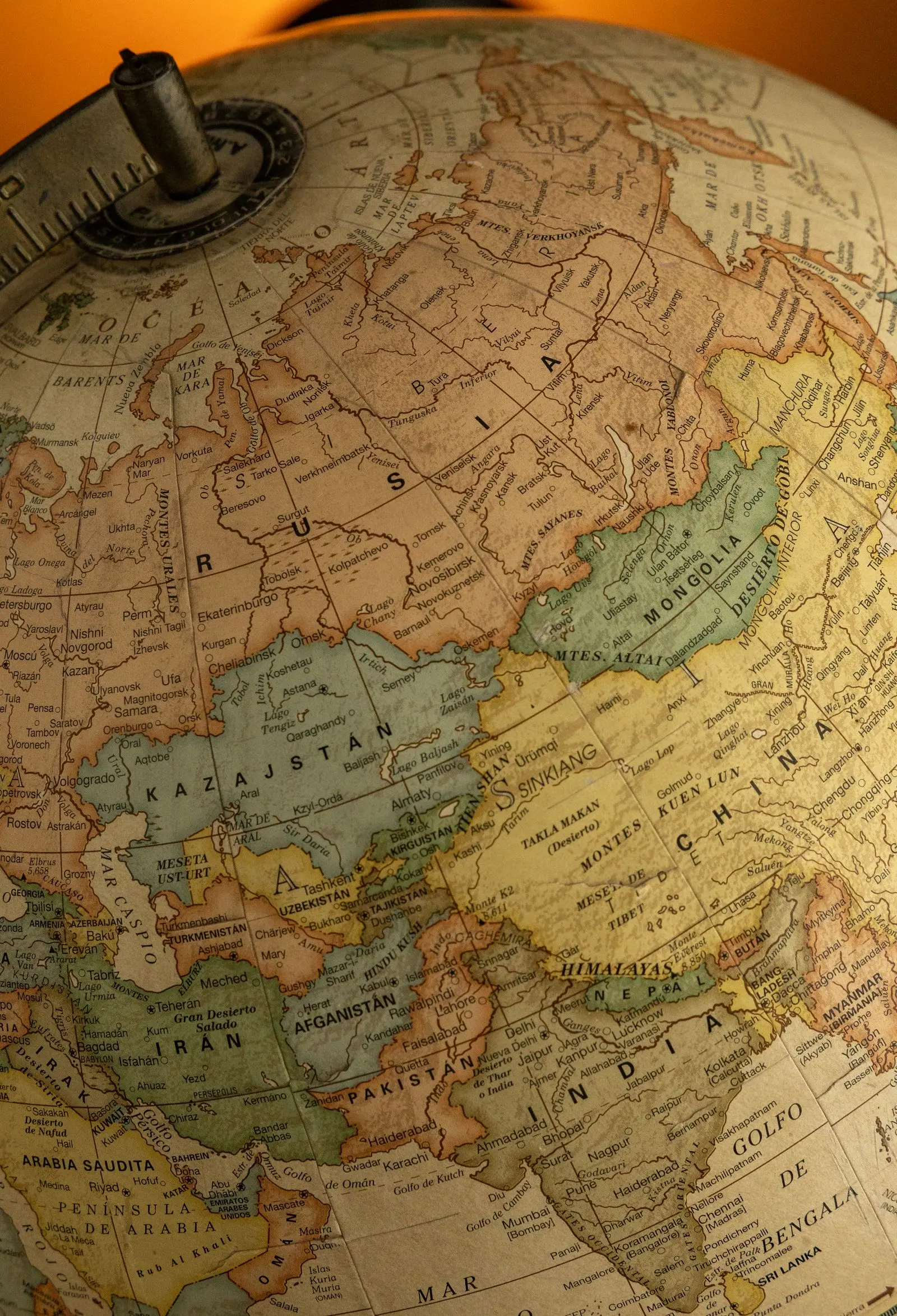
The World AI Cooperation Organization, or WAICO, is the China-inspired counterpart. Kazakhstan signed on as a founding member in Shanghai, alongside 28 other initial founding countries including Pakistan and Russia. Indonesia has joined, and Singapore is considering it. Beijing calls the group open and inclusive, and the Chinese embassy in Washington told AP that “AI should not be owned by major countries.”
Why countries want a seat in both AI blocs
The benefits on offer differ. For Pax Silica, AP cites more technology partnerships, high-tech manufacturing jobs and a place in global AI supply chains. For WAICO, the pitch is a voice in setting regional and global AI standards.
Kazakhstan shows the pull of both. AP reports it signed an investment deal worth up to $10 billion with Nvidia earlier this year, while Chinese foreign direct investment in the country hit a record $2.8 billion in 2025. Its AI minister, Dana Masalimova, put the position plainly: “We don’t want this binary choice.” Indonesia’s Mari Pangestu said her country wants to be “part of both” and to “choose the best system.”
The pressure points for the AI blocs
The trust language in Pax Silica is the sharpest edge. If dual membership counts as disqualifying, countries could be forced to choose. AP doesn’t state formal entry requirements for either group, so the practical test is still unwritten.
Other governments are charting separate paths outside the two AI blocs. Saudi Arabia’s startup Humain unveiled a platform in September built on an open model from a Chinese company, AP says, while the kingdom also has a deal with Nvidia. Japan stays closely aligned with the U.S. on security and semiconductors but will use lower-cost Chinese models for lower-risk applications. France is pursuing its own route through Mistral. Experts at the Carnegie Endowment told AP that the UK and Germany depend on U.S. companies for data center and chip access. AP also cites AidData in reporting that China has funded AI-related projects in at least 77 low- and middle-income countries.
What it means for companies
Businesses building AI products across borders may face a patchwork. Chips and cloud services might come from one camp, models or standards from another. Jolt Journal has tracked related pressure points, including the EU’s AI Act enforcement questions and the legal and regulatory picture around Anthropic, whose new Asia office in Singapore AP mentions. Compliance teams should expect rules that vary by market, not one global standard.
Editor’s take
Watch whether either of the AI blocs enforces its trust test. Dual membership is cheap while the groups are new. The costs only show up when a government has to choose between a chip supplier and a standards seat. Until then, expect more countries to sign both, and expect both capitals to treat that as a temporary arrangement.