

Last checked . Picks are based on the prices, rates, fees and terms each provider publishes, checked at the source. We never rank products by commission. See how we’re funded.
Every budgeting guide seems to start with a different formula, so here’s the short version of how to make a budget. It’s a one-page plan that tells your money where to go before the month starts. It doesn’t have to be fancy. The Consumer Financial Protection Bureau (CFPB) boils the job down to four steps, and a first pass fits in an evening. Below: how to make a budget that holds up, which method suits which kind of person, and the mistakes that quietly sink most plans.
Step 1: Add up every source of income
Start with the money coming in. The CFPB’s budgeting guide says to list all of it, including a second job, self-employment income, child support and government benefits. If your pay swings from month to month, plan around your lowest recent month so one good month isn’t carrying the whole plan.
Use take-home pay, not the gross number on your offer letter. A budget built on pre-tax income will always look healthier than your bank account does.
Step 2: Find out where the money actually goes

Most people skip this step. It’s also the one that lets you make a budget you can follow. Pull your last month of bank and card statements and sort every charge: housing, utilities, groceries, transportation, insurance, debt payments, eating out, subscriptions, whatever else turns up.
A whole month of statements can feel like a slog. The CFPB suggests going through receipts or your checking account one week at a time, or jotting small purchases in a daily log. Those small purchases matter most. A coffee here and a delivery fee there never feel like decisions, but they add up.

For context, the Bureau of Labor Statistics (BLS) Consumer Expenditure Survey for 2024, the latest year published, puts average household spending at $78,535. Housing took $26,266 (33.4%) and transportation took $13,318 (17.0%). Together that’s about half. Your numbers will differ, so treat the averages as a rough reference and not a target.
Step 3: Put your bills on a calendar
The CFPB points out that bills often come due before the paycheck that covers them, and late or missed payments can hurt your credit scores. So write each due date on a calendar next to the amount.
Say rent is due on the 1st and your big paycheck lands on the 5th. That’s a late fee waiting to happen. Ask the landlord or lender to move the due date. Many will. If they won’t, shift money forward so the bill is covered early.
Step 4: Compare income to spending and set limits
Now subtract. Income minus expenses leaves a surplus, a break-even or a gap. If there’s a gap, something has to give, and the CFPB says to look first at flexible spending. Rent and insurance barely change. Groceries, entertainment and rides do, according to University of Florida extension guidance, so that’s where cuts come easiest.
Then cap each flexible category. One idea from the CFPB’s consumer tips works for small everyday purchases: pick a weekly amount and withdraw it in cash at the start of the week. When it’s gone, it’s gone.
How to make a budget you’ll stick with: pick a method

The CFPB and MyMoney.gov lay out the basic process. The named methods below come from university and nonprofit sources, not official policy, so we’re crediting them that way. Choose whichever one you’ll really use.
The 50/30/20 rule splits after-tax income three ways: 50% for needs, 30% for wants and 20% for savings and extra debt payments, according to the nonprofit credit counselor InCharge. That group says Elizabeth Warren and Amelia Warren Tyagi popularized it in their 2006 book All Your Worth. It’s a decent starting point, though it assumes housing takes no more than half your pay. In expensive cities it often takes more.
Zero-based budgeting gives every dollar a job until nothing is left unassigned, per the University of Pennsylvania’s student financial services office. Money you don’t plan to spend goes into a savings category. It means more work each month. It suits people with irregular spending or a specific goal.

The envelope method puts an amount for each category into physical envelopes or digital ones, per the same Penn guide. When an envelope runs out, that category stops until next month. Blunt, yes, but it works for the categories where you tend to overspend.
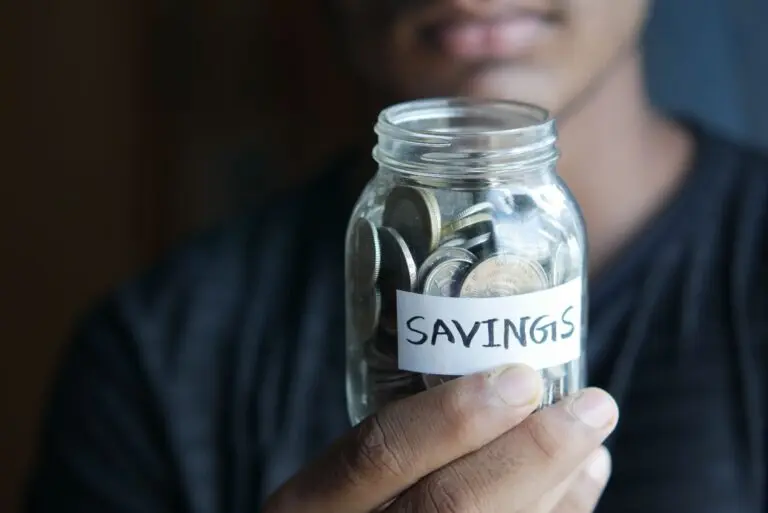
Pay yourself first goes with any of these. Penn describes it as treating savings like your first bill: move a set amount into savings at the start of the month, pay everything else, and spend what’s left. MyMoney.gov describes the same idea and suggests asking your bank to move a set amount into savings every month.
Use free tools instead of buying software
You don’t need to pay for anything to make a budget. The CFPB offers an Income Tracker, Spending Tracker, Bill Calendar and Budget Worksheet. MyMoney.gov links to a sample worksheet hosted by the Federal Trade Commission. A spreadsheet works. So does a notebook. If you’d rather use an app, our comparison of the best budgeting apps covers what each one costs and who it fits.
How often should you review your budget?

There’s no official schedule. The CFPB suggests comparing actual spending to your plan each month, or more often, and adjusting if you keep missing it. It also says to update the budget after a job change or a shift in spending habits. A weekly five-minute look at your checking account catches trouble before the month ends.
Prices matter too. Our explainer on how inflation affects your paycheck shows why a budget that worked last year can fall short this year. Treat the first two or three months as practice. Your first budget will be wrong in places, and that’s fine. The CFPB notes that changing money habits won’t happen overnight.
Common budgeting mistakes
A few problems show up again and again in the sources. Leaving out irregular income, like side work, makes the plan look bigger than it is. Missing small recurring charges, such as streaming services, creates quiet leaks, a pattern University of Wisconsin extension guidance flags too. Ignoring due dates means late fees. Skipping the monthly review turns a budget into a one-time exercise.
The other trap is a plan that’s too strict. A budget with no room for fun gets abandoned. Build in a small, guilt-free amount to spend on whatever you like, and you’re more likely to stick with the rest.
What to do next
Pick one evening this week and make a budget for the month ahead. Gather last month’s statements, list your income, sort your spending and put your bill dates on a calendar. Then choose one method and set up an automatic transfer to savings on payday. If you want that transfer to build a safety net, our guide to building an emergency fund shows how much to aim for.
This is general information, not financial advice.
Editor’s take
The best way to make a budget is to build one you’ll still use in month three. Start with your real spending, not the number you wish it were, and fix the biggest lines first: housing, transportation and food. If you only change one thing, automate savings on payday so it happens before you can spend the money.






1 comment