We may earn a commission when you buy through links on this page. It doesn't change what we recommend.
Holiday airfares are running well above last year, and the window for getting a better price may be closing this week. Booking-site data cited by Forbes puts the average domestic round trip at $402 for Thanksgiving and $452 for Christmas, up 31% and 23% from a year ago. The government’s own inflation data agrees on the direction. This article looks at what the numbers say, why airlines are charging more, and how to book holiday airfares without paying for a mistake. It is general information, not financial advice.
What the numbers say about holiday airfares
The cleanest place to start is the government’s inflation report, since it covers every kind of trip, not just holiday ones. When the Bureau of Labor Statistics published the September numbers on October 14, airline fares came in 22.4% above a year earlier, and 1.2% higher than in August after seasonal adjustment. Prices overall rose 3.7% across the same 12 months. Put another way, a plane ticket is getting more expensive about six times as fast as the typical item in a shopping basket.
Holiday trips are pricier still. Forbes says Hopper’s holiday travel index lands at $402 for a domestic Thanksgiving round trip, up 31%, and $452 for Christmas, up 23%. Fareportal, which owns CheapOair and OneTravel, told the magazine that domestic economy Thanksgiving fares are up nearly 24% and international ones about 33%. Each tracker samples different routes and dates, so the percentages don’t match, but they all point up. To put it in dollars, a $300 fare that rose 31% would now cost about $393, a gap many families will notice at checkout.
Why holiday airfares keep climbing
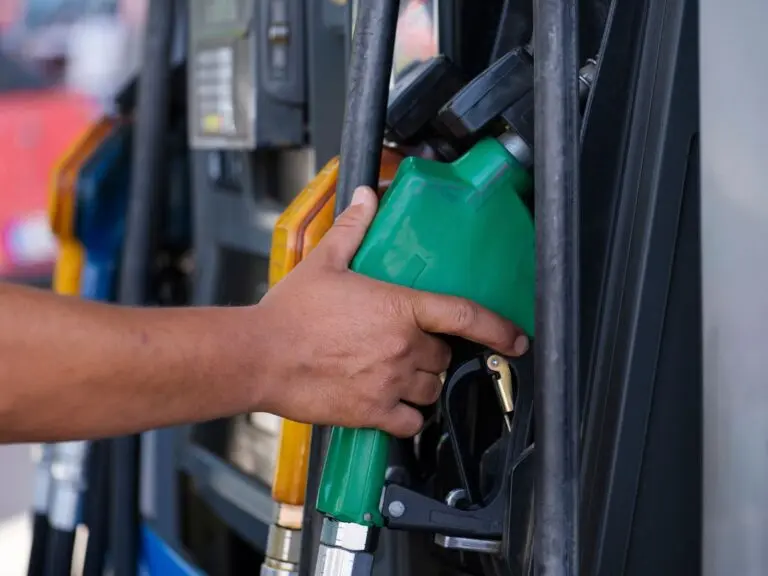
The main reason is fuel. Airways Magazine, citing federal transportation data, reports that U.S. airlines spent $6.17 billion on fuel in August, up 60.2% from a year earlier, even though they burned 1.2% less of it. The average cost per gallon rose 62.2%, to $3.72. Gasoline shows the same pressure: the BLS says gasoline prices were up 34.2% over 12 months, as our look at gas prices near $4.33 a gallon explained.
Delta’s results show how that flows into tickets. In the September quarter, Delta’s adjusted fuel expense rose 62% to $4.1 billion, and the average price it collected per passenger mile rose 14%, Airways reports. For the December quarter, Delta expects about 20% revenue growth on fewer than 2% more seats, with fuel near $4.25 a gallon. More money from roughly the same number of seats is another way of saying higher fares.

None of that means every ticket costs 22% more. The BLS fare index samples mostly discount fares, and it includes taxes and fuel surcharges. It doesn’t show how much of the airlines’ extra cost is being passed along. Still, a double-digit increase in the index and a double-digit increase in Delta’s yield point the same way.
When to book
Timing is the one lever travelers still control when holiday airfares are this high. Forbes reports that Fareportal’s data suggests the most consistent savings come 30 to 60 days before departure, and that Kayak finds domestic Thanksgiving fares have historically bottomed out about five weeks before the holiday, which is this week. Kayak also found that last year Thanksgiving fares rose up to 16% in the week before the holiday and up to 21% during Thanksgiving week itself.
For Christmas, Kayak says fares tend to bottom out four to seven weeks before departure, and Hopper recommends booking before Halloween. A reasonable plan is to book Thanksgiving trips now and set a price alert for Christmas, then buy within the next week or two if the fare looks acceptable.
Flexibility pays more than tricks
Which day you fly matters. Hopper’s data, as reported by Forbes, shows Monday, November 23 as the cheapest Thanksgiving departure at about $370, while a Sunday, November 29 return averages $604. Returning on Monday or Tuesday drops the average near $350, a gap of more than $250 per ticket. For Christmas, departures on December 18 to 20 are among the priciest, near $500, while leaving December 21 or 22 averages closer to $440.
Other ideas help too. Kayak found that two one-way tickets, sometimes on different airlines, can cost up to 29% less on domestic routes, though baggage and change rules may differ. Compare nearby airports, and count the ground transportation. A $75 savings isn’t worth it if the longer drive or train costs $100. Basic Economy can look cheaper, but seat and bag fees can add $100 or more per ticket, so compare the full price.
One common tip doesn’t work. Fareportal’s research found that booking on a particular day of the week, clearing your cookies, or using a private window doesn’t produce cheaper fares.
How to plan the cost of holiday airfares
Forbes estimates that a family of four could save about $1,000 simply by shifting a trip by a day, which shows how much a few dates can matter. If you’re planning to fly, check what the trip will cost against your regular spending using our guide on how to make a budget, and decide your limit before you start searching. If the fare is above that limit, consider driving, changing dates, or splitting the trip. Credit card points or an airline voucher can also reduce the cash price, though terms vary.
What to watch next
Airline earnings this week will give another read on demand and fuel. United reports on October 20, Southwest on October 21, and American on October 22, according to Airways. Whatever they say about holiday bookings, the price you see today is the price you can act on.
Editor’s take
The data is consistent. Airlines face much higher fuel costs, they are adding few seats, and travelers are still buying, so holiday airfares are rising faster than almost anything else in the inflation report. The practical response to higher holiday airfares is boring but effective: decide early, stay flexible on dates, and don’t pay extra for hacks that the research says don’t work. As always, this is general information, not financial advice, and prices change daily, so check current fares before you buy.