Since 1996, Section 230 of the Communications Decency Act (CDA) has been the backbone of the internet. As debates over free speech, misinformation and online platform responsibility heat up, Section 230 is at the center of the conversation about the future of the online world.
The History of Section 230
In the mid-90s, the internet was growing fast, but content liability was a major problem for emerging online platforms. Court cases like Cubby, Inc. v. CompuServe (1991) and Stratton Oakmont v. Prodigy (1995) created conflicting precedents. CompuServe got off scot free by not moderating, and Prodigy, which did moderate, got hit with liability for user-generated defamation.
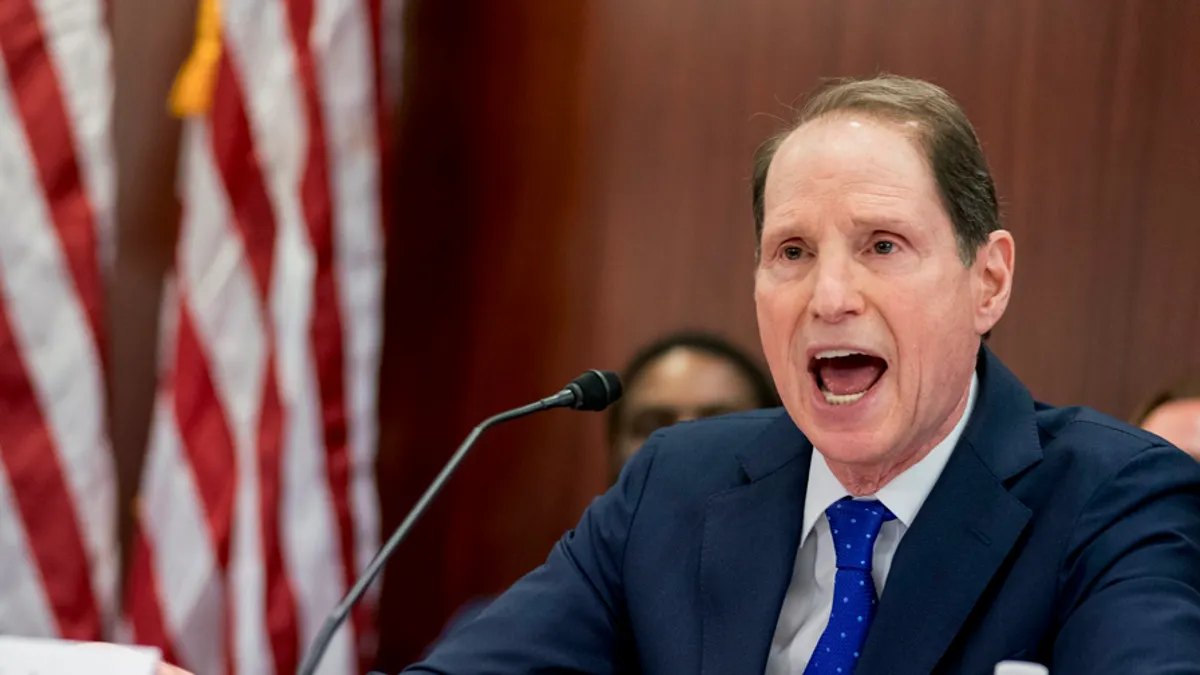
Recognizing the paradox, Reps Ron Wyden (D-Oregon) and Chris Cox (R-California) introduced Section 230 in 1996. The goal was clear: protect online platforms from liability for user-generated content so they wouldn’t be sued for moderating harmful or inappropriate posts. By doing this, lawmakers wanted to create an environment where online services could moderate content freely without getting hit with too much litigation.
Key Parts and Legal Implications
Section 230 basically gave online platforms and service providers immunity from being considered publishers of third party content. Specifically it says:
“No provider or user of an interactive computer service shall be treated as the publisher or speaker of any information provided by another information content provider.”
This has enabled a wide array of digital services—from social media giants like Facebook and Twitter to smaller forums and niche communities—to flourish by minimizing the risk of legal action related to their users’ content.
How Section 230 Changed the Internet
Section 230 allowed platforms to grow fast by removing the fear of endless litigation. Websites and social media platforms now host billions of daily interactions without constant oversight, innovation, and new platforms can emerge quickly.
Without this protection, many platforms wouldn’t have launched, given the legal liability. Existing services would have limited user engagement to manage legal risks and drastically changed the open nature of the Internet.
Current Controversies Surrounding Section 230
Despite its benefits, Section 230 has become controversial in recent years. Politicians from both parties have criticized its broad protections for different reasons.
Obama Administration (2009-2017)
Under the Obama Administration, the debate around Section 230 revolved around misinformation and extremist content online. The administration was concerned about harmful and extremist content and wanted platforms to take more responsibility for moderating user content without infringing on free speech.
In 2015, the Obama White House released a report on balancing free speech with online radicalization and terrorist recruitment. While supportive of Section 230’s principles, the administration said companies must proactively combat extremist content.
Trump Administration (2017-2021)
The Trump administration ramped up the Section 230 debate. President Trump frequently criticized the provision, saying major social media platforms were biased against conservative voices. Trump even issued an executive order in 2020 to limit the protections of Section 230, claiming tech companies were censoring conservative viewpoints.
This executive order would have had the FCC redefine and restrict Section 230. But the order faced heavy legal challenges and pushback from tech companies and free speech advocates who said it would choke online speech and undermine the foundation of the internet.
Biden Administration (2021-2025)
Under President Biden, Section 230 was still in the crosshairs, but for different reasons. During his campaign, President Biden criticized Section 230, saying it let platforms get away with spreading misinformation. He specifically cited misinformation around COVID-19 and election interference as reasons to repeal or reform the law.
Biden’s approach is focused on misinformation and harmful content rather than political bias. While he didn’t propose a full repeal, he wanted to reform to encourage platforms to implement stronger moderation practices without removing the protections entirely.
What Would Changing or Repealing Section 230 Mean?
As calls for reform grow experts warn we need to be careful.
- Free Speech: One major concern is that weakening Section 230 protections will lead platforms to over-censor content. Fearing liability companies will limit user interaction or heavily moderate content and reduce online discourse and diversity.
- Legal and Economic Issues: Increasing platform liability will also unleash lawsuits. Smaller platforms may not have the resources to fight multiple lawsuits and could be stifled by already established tech giants that can handle complex legal battles.
Recent Legal Developments and Interpretations
Judicial interpretations of Section 230 have been all over the place. Notably:* Gonzalez v. Google (2023): The Supreme Court decided broadly in favor of the platforms, reaffirming the idea that platforms aren’t responsible for algorithms that recommend harmful content. This ruling killed the hopes of those who wanted a narrower interpretation of Section 230.
- Doe v. Twitter (2021): Lower courts have occasionally pierced a platform’s immunity when it directly facilitates illegal activities, carving out small exceptions to the general rule.
AI and Section 230
With artificial intelligence on the horizon, new questions arise around platform liability. AI-generated content muddies the line between user and platform, making traditional interpretations of the law difficult. If platforms use AI to generate problematic or harmful content, who is responsible?
These questions need to be addressed legislatively potentially requiring amendments or clarifications to Section 230 to address the new technological realities.
International Comparisons
Around the world governments have taken different approaches to regulating digital platforms:
- European Union (Digital Services Act, 2024): The EU has strict accountability measures to hold platforms responsible for moderating harmful content. This is in contrast to Section 230’s more lenient approach providing a useful benchmark for US policymakers considering reforms.
What Comes Next?
As digital landscapes change rapidly, Section 230 is in the crosshairs. Technological innovation, societal shifts and political currents will continue to reshape the debate. Legislators, industry and civil society must work together to find balanced solutions protecting free speech, accountability and innovation.