

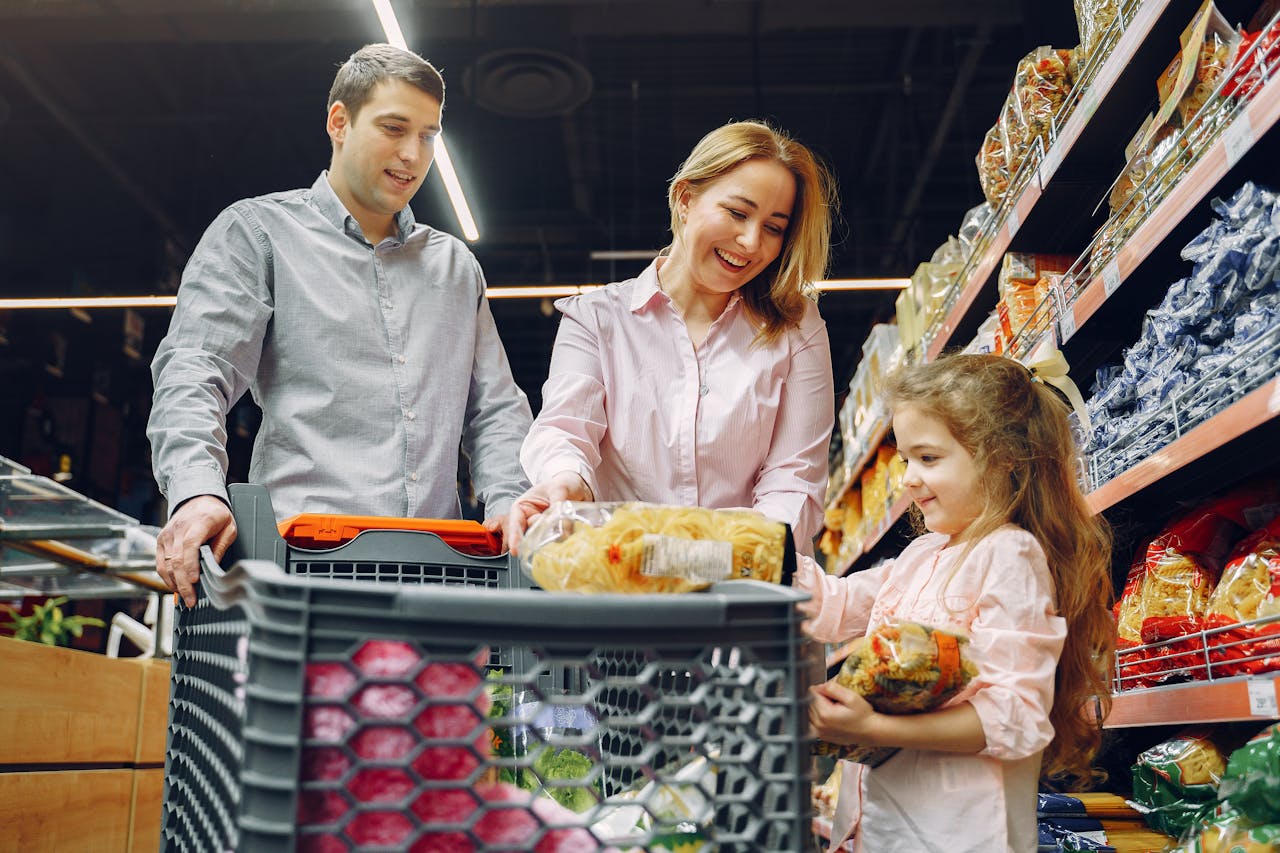
You’re standing in the produce aisle, picking up a container of strawberries, when you notice the price has jumped again. Last week they were $4.99, now they’re $5.99. You move on to the meat department, where ground beef is $6.99 per pound, up from $4.99 just a year ago. By the time you reach the checkout, your cart that used to cost $150 now rings up at $200, and you haven’t bought anything different or extra.
This experience has become painfully familiar to millions of Americans. Food prices have climbed steadily, with beef and veal up 13.9% year-over-year, and overall food prices increasing 3.2%. But what’s really driving these increases? The answer is more complex and global than you might think, involving international trade, supply chains that stretch across oceans, tariffs, weather events, and economic forces operating far from your local grocery store.
Understanding how global trade influences the food you purchase empowers you to make more informed shopping decisions and manage your grocery budget more effectively. Let’s break down this complex system into clear, understandable pieces, then explore practical strategies you can use today to reduce your food costs.
FROM FARM TO TABLE: THE GLOBAL JOURNEY OF YOUR FOOD
When you pick up an apple or a package of chicken at your grocery store, you’re seeing the end result of an incredibly complex global supply chain. Understanding this journey helps explain why prices fluctuate and where costs originate.
Consider a simple tomato. It might be grown in Mexico during the winter months when domestic production is limited. A farmer plants seeds, tends the crop, harvests the tomatoes, and sells them to a distributor. That distributor packs the tomatoes and arranges transportation to the United States. The tomatoes cross the border, where customs officials inspect them and assess any applicable import duties or tariffs.
Once in the U.S., the tomatoes are transported by refrigerated truck to a regional distribution center, which may be hundreds of miles from the border. From there, they’re shipped to individual grocery stores. Each store unpacks the tomatoes, displays them, maintains proper temperature and handling, and eventually sells them to you. Along this entire chain, numerous people and companies add their costs and markup.
Every step in this chain costs money. The farmer needs to cover seeds, water, fertilizer, labor, equipment, and land costs. The distributor covers the costs of packing materials, warehouse space, and logistics coordination. The transportation company charges for fuel, trucks, drivers, and maintenance. Customs and border operations take time and money. The grocery store has its own overhead, including rent, utilities, employees, equipment, and profit margins.
When any part of this chain becomes more expensive, those costs eventually reach you. If fuel prices increase, transportation costs rise. If trade policies change, tariffs add expenses. If weather damages crops, supply decreases and prices climb. If labor becomes scarce, wages increase throughout the chain. All these factors compound as products move through the system.
The tomato example represents a relatively simple path. Many foods involve even more complex supply chains with multiple countries and processing steps. Coffee beans grown in Colombia might be shipped to Germany for roasting, then to the United States for packaging, and finally to your local store. Each border crossing, each processing step, and each handoff adds cost and complexity.
About 15 percent of food consumed in the United States is imported, though this varies dramatically by food type. Some categories like seafood, fresh fruits, and vegetables have much higher import percentages. Even foods grown domestically often contain imported ingredients or depend on imported supplies like fertilizer, equipment, or packaging materials.
This global interdependence means that events happening anywhere in the world can affect prices at your local grocery store. A drought in Argentina affects beef prices globally. A shipping container shortage in Asia delays deliveries and increases costs. A trade dispute between major economies adds tariffs that trickle down to consumers. Understanding these connections helps you anticipate price changes and plan accordingly.
HOW TARIFFS AND TRADE POLICIES DIRECTLY IMPACT FOOD COSTS
Tariffs represent one of the most direct ways that international trade policy affects your grocery bill. When governments impose import duties on food products crossing borders, these costs don’t simply disappear. They flow through the supply chain and ultimately increase prices for consumers.
Think of tariffs as a tax on imported goods. When a company imports tomatoes from Mexico, they must pay a percentage of the product’s value to the government as an import duty. If tomatoes are valued at $100,000 and face a 10 percent tariff, the importer pays $10,000 to customs before taking possession of the goods.
That $10,000 doesn’t come out of the importer’s profits. They factor it into their pricing, passing the cost along to the next buyer in the chain. The distributor who purchases the tomatoes pays more, so they charge the grocery store more. The grocery store pays more, so they charge you more. By the time products reach store shelves, tariffs have typically been passed entirely to consumers through higher retail prices.
The impact varies by product category. Fresh produce, particularly items imported during winter months when domestic production is low, is heavily affected by trade policies. Strawberries, tomatoes, avocados, and many vegetables come from Mexico and other countries during parts of the year. Tariffs on these imports directly increase their prices.
Seafood presents another category with heavy trade exposure. A significant portion of the seafood consumed in the United States is imported, including popular items such as shrimp, salmon, and tilapia. Trade policies affecting seafood imports can substantially change prices. Additionally, some U.S.-caught seafood is shipped overseas for processing, then reimported, meaning it crosses borders twice and potentially faces tariffs both times.
Coffee, tea, cocoa, and spices are almost entirely imported, as they don’t grow in the United States or are grown only in limited regions, such as Hawaii or Puerto Rico. Changes in trade relationships with major coffee-producing countries like Brazil, Colombia, or Vietnam directly affect coffee prices. The same applies to cocoa from West Africa and spices from Asia.
Even domestically produced foods aren’t immune to the impacts of trade policy. Farmers rely on imported equipment, fertilizers, and other inputs. When tariffs increase the costs of these items, farmers’ expenses rise, which in turn affects the prices of the crops and livestock they produce. A tariff on imported fertilizer raises costs for corn farmers, which in turn increases corn prices, leading to higher costs for livestock feed and ultimately higher meat prices.
Trade agreements work in the opposite direction, potentially reducing food costs by eliminating or lowering tariffs between partner countries. The United States-Mexico-Canada Agreement, for example, facilitates food trade among these countries by reducing barriers, which helps keep prices lower than they would be with high tariffs.
Retaliatory tariffs create additional complications. When one country imposes tariffs, trading partners often respond with their own tariffs on different products. This tit-for-tat escalation can affect foods in unexpected ways. American agricultural exports may face foreign tariffs, which could reduce demand and potentially lower domestic prices for those items, while raising prices for imported items.
The unpredictability of trade policy creates additional challenges. When tariff policies change frequently or unpredictably, businesses struggle to plan and may increase prices simply to cover risk. Uncertainty itself becomes a cost that gets passed to consumers.
TRANSPORTATION AND LOGISTICS: THE HIDDEN COSTS IN YOUR CART
The journey food takes from farm to your table requires extensive transportation and logistics, and these costs significantly affect grocery prices. Most consumers never see this part of the supply chain, but you definitely pay for it.
Fuel costs represent one of the largest expenses in transportation. Food travels by truck, ship, rail, and sometimes airplane to reach distribution centers and stores. When oil prices increase, transportation costs rise across the entire food system. A refrigerated truck traveling from California to New York burns hundreds of dollars worth of diesel fuel. When fuel costs increase by 20 or 30 percent, those expenses get built into food prices.
Refrigeration adds another layer of cost. Many foods require temperature-controlled transportation to prevent spoilage. Refrigerated trucks, known as reefers, cost more to operate than standard trucks. Cold storage warehouses require expensive equipment and energy to maintain proper temperatures. These costs are higher than for non-perishable goods, helping explain why fresh produce, meat, and dairy products carry premium prices.
Distance matters significantly. Foods shipped from nearby farms are less expensive to transport than those shipped across continents or oceans. This is why locally grown produce often costs less than imported alternatives, although not always, as other factors, such as labor costs and growing conditions, also play a role. The food miles concept refers to the distance food travels from production to consumption, with greater distances generally meaning higher costs.
International shipping introduces unique expenses beyond simple distance. Container ships carry enormous volumes of goods but take weeks to cross oceans. Port operations, customs clearance, and transfers between shipping modes all take time and money. When container shipping rates spiked during supply chain disruptions, imported food prices increased accordingly.
Shipping container shortages have periodically constrained food imports. When containers are scarce, shipping costs increase through basic supply and demand. Products that normally ship economically become expensive to transport, forcing businesses to raise prices or reduce imports. You may notice that certain imported items become unavailable or significantly more expensive during these periods.
Labor shortages in transportation also affect food costs. Truck driver shortages in recent years have led to increased shipping costs as companies compete for a limited pool of drivers by raising wages. These wage increases, while beneficial for drivers, add to transportation expenses that ultimately affect food prices. Port worker strikes or slowdowns can also disrupt food flows and increase costs.
Weather events and natural disasters disrupt transportation networks, creating shortages and price spikes. Hurricanes shut down ports. Floods close highways. Wildfires block rail lines. When transportation networks are disrupted, food can’t reach its destinations, creating temporary shortages that drive up prices. Even after networks reopen, backlogs can take weeks to clear.
The complexity of managing food logistics adds costs beyond actual transportation. Companies employ logistics specialists, use sophisticated tracking systems, and maintain relationships with multiple carriers. They must coordinate timing so products arrive fresh but not too early to avoid spoilage. All this management and coordination costs money, reflected in final food prices.
WEATHER, CLIMATE, AND GLOBAL FOOD PRODUCTION
Weather events and climate patterns have a profound impact on food production worldwide, leading to supply fluctuations that directly affect prices at your grocery store. Understanding these connections helps explain sudden price changes for specific foods.
Droughts represent one of the most damaging weather events for agriculture. When major growing regions experience prolonged dry conditions, crop yields decline significantly. California produces a significant portion of the U.S.’s fruits, vegetables, and nuts, so droughts in the state affect availability and prices nationwide. When water is scarce, farmers may leave fields unplanted, reducing supply and increasing prices.
The U.S. cattle herd has been declining since 2019, partly due to drought conditions affecting grazing lands in major cattle-producing states, such as Texas and Oklahoma. When ranchers can’t maintain their herds because grass isn’t growing and water is scarce, they sell off cattle, reducing future beef supply. This contributed to the 13.9 percent year-over-year increase in beef prices through 2025.
Floods cause different but equally serious problems. Excessive rain can destroy crops in fields, delay planting, prevent harvesting, or damage the quality of produce. Regions experiencing unusual rainfall patterns experience reduced agricultural output, which constrains supply and increases prices for affected products.
Freezes and frost events damage crops that aren’t cold-hardy. Florida’s orange groves have experienced freeze events that destroyed substantial portions of crops, reducing the juice orange supply and increasing orange juice prices dramatically. Similar events affect other cold-sensitive crops in unexpected locations.
Heat waves stress crops and livestock, reducing yields and quality. Extreme temperatures can cause crops to fail or produce lower-quality products that fetch lower prices for farmers while still costing consumers more due to reduced supply. Livestock also suffer in the heat, gaining weight more slowly and potentially dying, which affects meat production and prices.
Hurricane damage extends beyond crops to the infrastructure that supports agriculture. Processing facilities, warehouses, and transportation networks can be destroyed or damaged, disrupting food flows even when crops themselves survive. The rebuilding and recovery period following major storms can affect food availability and prices for months.
Global weather patterns matter because food markets are international. A drought in Argentina, one of the world’s major grain exporters, affects grain prices globally. Reduced South American grain exports increase global prices, affecting animal feed costs in the United States, which eventually increases meat and dairy prices for American consumers.
Climate change is creating longer-term shifts in agricultural patterns. Growing regions are changing as temperature and rainfall patterns shift. Some areas become more productive while others become less suitable for traditional crops. These transitions create uncertainty and adjustment costs that affect food prices and availability.
Coffee provides a clear example of the impact of climate change. Coffee grows in specific tropical regions with particular temperature and rainfall requirements. Climate change affecting these regions threatens coffee production, contributing to price volatility and long-term price increases. Similar patterns affect cocoa, tea, and other climate-sensitive crops.
Pollinator populations, particularly bees, face challenges from various factors, including weather, pesticides, and diseases. Many crops depend on pollinators, so declines in pollinator populations can lead to reduced yields and increased prices for affected foods. Almonds, for instance, require extensive pollination services, and pollinator challenges affect almond production costs and prices.
Pest and disease outbreaks often relate to weather conditions. Warm, wet conditions can promote fungal diseases, while droughts may increase certain pest populations. When diseases or pests damage crops, yields decline and prices increase. Animal diseases, such as avian influenza or African swine fever, can devastate livestock populations, leading to sharp increases in meat prices.
THE COMMODITY MARKET EFFECT ON EVERYDAY FOODS
Many basic food ingredients are traded as commodities on global markets, and these market dynamics directly affect prices for countless foods in your grocery cart. Understanding commodities helps explain why prices fluctuate and how global events impact local food costs.
Wheat, corn, soybeans, rice, coffee, cocoa, sugar, and other staples are traded on commodity exchanges, where prices fluctuate based on global supply and demand. These aren’t just abstract financial instruments. They represent real food that will eventually reach consumers, and commodity prices have a strong influence on retail food prices.
When commodity prices increase, all products containing those ingredients become more expensive. Consider corn, which is used in countless foods beyond obvious corn products. Corn syrup sweetens sodas and processed foods. Corn feeds livestock, which affects the prices of meat, milk, and eggs. Corn-based ethanol influences fuel prices which affect transportation costs for all foods. Rising corn commodity prices ripple through the entire food system.
Soybeans similarly affect many products. Soybean oil is used in countless processed foods, baked goods, and cooking oils. Soybean meal feeds livestock. Soybeans are processed into various ingredients used throughout food manufacturing. When soybean commodity prices rise, numerous foods become more expensive.
Wheat prices directly affect bread, pasta, cereal, baked goods, and any product using wheat flour. A surge in wheat commodity prices increases costs for bakeries, pasta manufacturers, and food companies, who pass these increases to consumers. Wheat price spikes can make your bread and pasta noticeably more expensive within weeks or months.
Global events affecting commodity supplies create price shocks that reach consumers. When major wheat-producing regions experience poor harvests due to drought, global wheat prices spike. When geopolitical conflicts disrupt grain exports from major producing regions, supply constraints increase prices worldwide. These aren’t distant problems. They affect your grocery bill directly.
Oil and energy prices deserve special attention because they affect commodities through multiple channels. Energy costs factor into the growing, harvesting, processing, and transportation of all foods. Petroleum-based fertilizers are essential for modern agriculture. When oil prices increase, agricultural costs rise across the board, ultimately leading to higher food prices. This creates a connection between gas pump prices and grocery prices.
Currency exchange rates influence commodity prices and food costs. Commodities typically trade in U.S. dollars, so when the dollar strengthens against other currencies, imports become cheaper for Americans while exports become more expensive for foreign buyers. When the dollar weakens, the reverse occurs. These currency effects can significantly impact food prices for imported items.
Speculation in commodity markets adds volatility. Financial investors who never intend to take physical delivery of commodities trade them seeking profits. This speculation can amplify price swings, making food costs less stable and predictable. While speculation has legitimate functions in price discovery and risk management, it can also contribute to price volatility that affects consumers.
Stockpiling and inventory levels matter for commodity markets. When major buyers accumulate large inventories, they reduce market supply and can increase prices. When they release inventories, prices may decrease. Government reserves and strategic stockpiles, particularly for grains, can stabilize or destabilize markets depending on how they’re managed.
The relationship between commodity prices and retail food prices isn’t instantaneous or perfectly proportional. Grocery stores and food manufacturers often have contracts locking in prices for weeks or months, creating lag time between commodity price changes and retail price changes. Additionally, retail prices include many costs beyond raw commodity costs, so a 20 percent increase in wheat commodity prices might translate to only a 5 to 10 percent increase in bread prices.
WHY BEEF PRICES HAVE SURGED SO DRAMATICALLY
The 13.9 percent year-over-year increase in beef and veal prices represents one of the most striking food price changes in 2025, and understanding why beef costs so much more reveals important lessons about food economics.
The U.S. cattle herd has been shrinking since 2019, creating a fundamental supply constraint. Cattle ranching operates on long-term cycles. A cow takes roughly two years from birth to reach slaughter weight. This means that the decisions ranchers make today will affect the beef supply two years from now, creating inherent delays in responding to market conditions.
Several factors drove ranchers to reduce herd sizes. Drought conditions across major cattle-producing states like Texas, Oklahoma, Kansas, and Nebraska made it difficult and expensive to maintain herds. When grass doesn’t grow and water is scarce, feeding cattle becomes prohibitively expensive. Many ranchers sold off breeding cows, reducing future calf crops and beef supply years later.
Feed costs increased substantially during the 2021 to 2023 inflation surge. Corn and other grains used for cattle feed became more expensive due to multiple factors, including weather, energy costs, and global demand. These higher feed costs squeezed rancher profit margins, making cattle production less attractive and contributing to herd liquidation.
Land values and opportunity costs also play a role in ranching decisions. As land prices increase, particularly near growing cities and suburbs, ranchers face pressure to sell land for development rather than continue ranching. Each ranch that converts to other uses permanently removes its cattle production capacity, thereby shrinking the supply.
Labor shortages affect cattle ranching and meat processing. Meatpacking plants faced severe worker shortages during and after the pandemic, creating bottlenecks that reduced processing capacity even when cattle were available. These processing constraints limited beef supply and increased prices.
Consumer demand for beef remained strong despite rising prices, demonstrating that beef demand is relatively inelastic, meaning people continue buying it even when prices increase substantially. This strong demand, combined with reduced supply, creates conditions for sustained high prices.
Export demand adds another dimension. International buyers purchase U.S. beef, and strong export demand competes with domestic consumption for the limited supply. When foreign markets pay premium prices, beef that might otherwise stay domestic gets exported, reducing domestic supply and supporting high prices.
The cattle cycle creates multi-year price patterns. When beef prices are high, ranchers eventually respond by rebuilding herds to capture those high prices. But the time required to grow a calf to slaughter weight means supply responds slowly. By the time supply increases enough to moderate prices, market conditions may have changed again, creating cyclical patterns.
Climate and disease factors add uncertainty to cattle production. Heat stress affects cattle health and weight gain. Diseases can devastate herds. These biological risks make cattle ranching unpredictable and can constrain supply unpredictably, causing price volatility.
The vertical integration of beef production, where large companies control multiple stages from ranching through processing to retail, concentrates market power. This concentration may contribute to prices remaining elevated as large firms have less incentive to compete aggressively on price when they face limited competition.
Cattle ranching in the United States faces structural challenges that suggest beef will remain expensive relative to historical norms. The days of cheap, abundant beef may be ending as multiple long-term factors constrain supply while demand remains strong. This doesn’t mean beef prices will keep rising forever, but a return to significantly lower prices seems unlikely without major changes in production economics or consumer preferences.
While you can’t control international trade, weather patterns, or commodity markets, you have significant power to reduce your grocery expenses through strategic shopping and consumption choices. These practical strategies can substantially lower your food costs without sacrificing nutrition or satisfaction.
Plan your meals around what’s on sale rather than deciding what to eat and then shopping for those specific ingredients. Browse weekly ads from multiple grocery stores, identify the best deals, and build meals around those sale items. This approach maximizes savings because you’re buying foods at their lowest prices. When chicken is on deep discount, plan several chicken meals that week. When pork is cheap, feature pork in your menu.
Buy seasonal produce to take advantage of natural abundance and lower prices. Strawberries cost much less during their natural growing season than in winter when they must be imported from distant locations. Learn what grows in your region and adjust purchasing accordingly. Summer brings cheap tomatoes, peppers, and squash. Fall offers affordable apples, pumpkins, and root vegetables. Winter features cheap cabbage and citrus in some regions.
Choose store brands rather than name brands for most items. The quality difference is often minimal or nonexistent, as many store brands are produced by name-brand manufacturers in the same facilities using similar recipes. The price difference can be 30 to 50 percent or more, creating substantial savings across a grocery cart. Try store brands for staples like flour, sugar, canned goods, dairy products, and frozen vegetables.
Reduce food waste, which effectively makes every dollar you spend on groceries go further. Americans waste roughly 30 to 40 percent of the food purchased, representing an enormous unnecessary expense. Use leftovers creatively in new meals rather than discarding them. Store foods properly to maximize freshness and shelf life. Buy appropriate quantities rather than over-purchasing items that will spoil before you use them.
Cook from scratch instead of buying prepared or convenience foods. Pre-cut vegetables, pre-marinated meats, complete meal kits, and fully prepared foods include significant markup for the convenience they provide. Buying raw ingredients and preparing food yourself costs substantially less. A bag of dried beans costs dollars and makes numerous meals. A can of prepared beans costs more and makes one or two meals.
Buy in bulk for non-perishable items you use regularly. Larger packages cost less per unit than smaller packages. Buying a 10-pound bag of rice costs much less per pound than buying multiple 1-pound bags. This strategy requires storage space and upfront cash, but the savings accumulate significantly over time. Focus on shelf-stable items, such as grains, pasta, canned goods, and frozen foods, that won’t spoil before you use them.
Shop at multiple stores rather than doing all shopping at one location. Different stores have different price structures and strengths. Warehouse clubs offer excellent prices on bulk items. Discount grocers undercut traditional supermarkets significantly. Ethnic grocery stores often have better produce prices and unique affordable items. Farmers markets can offer deals on abundant seasonal produce. Strategic shopping across multiple stores maximizes savings.
Use coupons, loyalty programs, and apps that offer cash back or discounts. Many grocers offer digital coupons through apps and loyalty cards, providing substantial savings. Cash back apps give you money back on purchases. Combining sales with coupons and cash back offers creates stacked savings. This requires some time and organization, but frequent shoppers can save hundreds of dollars annually.
Reduce meat consumption, since meat represents one of the most expensive food categories. Even partially replacing meat with cheaper protein sources like beans, lentils, eggs, or tofu substantially reduces grocery costs. You don’t need to become vegetarian to benefit. Simply eating meat less frequently or using meat as a flavoring ingredient rather than the center of meals cuts costs significantly.
Grow some of your own food if you have space and inclination. Even a small garden or container plants can produce meaningful quantities of fresh vegetables and herbs. Tomatoes, peppers, lettuce, herbs, and other high-value crops are relatively easy to grow and can save money while providing superior freshness. This isn’t practical for everyone, but those with space should consider it.
Avoid shopping when hungry, which reliably leads to impulse purchases and overspending. Shop with a list based on planned meals and stick to it. Resisting impulse purchases requires discipline but saves substantial money over time. The chips, cookies, and other attractive items you grab because they look good in the moment add up to significant unnecessary spending.
Consider frozen and canned produce as affordable alternatives to fresh. Frozen vegetables and fruits are flash-frozen at peak ripeness and remain nutritious, often matching or exceeding the nutrition of fresh produce that’s been in transit and storage for days or weeks. Canned goods offer convenience and long shelf life at low prices. These items provide good nutrition at lower cost than fresh options, especially for out-of-season items.
Buy less expensive cuts of meat and learn cooking methods that make them tender and flavorful. Expensive cuts like ribeye steak and tenderloin come from the same animal as cheap cuts like chuck roast and round steak. The difference is tenderness, which can be addressed through proper cooking. Slow cooking, braising, and marinating make tough cuts delicious at a fraction of the cost.
Join a community-supported agriculture program or farm co-op to buy directly from local farmers at reduced prices. These arrangements provide boxes of seasonal produce at costs below retail, supporting local agriculture while saving money. The selection varies by season and you may receive items you wouldn’t normally choose, which can expand your cooking repertoire.
Watch unit prices rather than total prices to identify best values. A larger package might cost more in total but less per ounce or pound. Grocery store shelf tags show unit prices, allowing you to compare apples to apples. This is particularly important when comparing different package sizes or brands to identify the actual best deal.
UNDERSTANDING FOOD LABELS AND MAKING INFORMED CHOICES
Food labels provide information that can help you make cost-effective decisions while maintaining nutrition and quality. Understanding what labels actually mean helps you avoid paying for marketing rather than value.
Organic labels indicate foods produced according to specific agricultural standards prohibiting synthetic pesticides, fertilizers, and GMO ingredients. Organic foods typically cost 20 to 100 percent more than conventional alternatives. Whether this premium is worth paying is a personal decision based on your values and priorities. From a purely economic perspective, conventional produce provides similar nutrition at lower cost.
Local labels suggest food was produced nearby, though definitions vary and local doesn’t automatically mean cheap. Sometimes local foods cost less because transportation costs are lower. Other times they cost more because small-scale local production is more expensive per unit than large-scale commercial agriculture. Evaluate local foods on price and quality rather than assuming local means better or cheaper.
Best-by, sell-by, and use-by dates create confusion and contribute to food waste. These dates represent manufacturer quality suggestions, not safety deadlines. Most foods remain safe and perfectly edible well beyond these dates. Americans discard enormous quantities of perfectly good food based on misunderstanding these dates. Using your judgment about whether food looks, smells, and tastes fine can extend your food budget significantly by reducing waste.
Natural labels have minimal regulated meaning and often represent marketing rather than meaningful differences. Natural doesn’t mean organic, local, or higher quality. It’s primarily a marketing term commanding premium prices without providing clear value. Focus on specific attributes like ingredients, nutrition, and price rather than paying extra for vague natural claims.
Free-range, cage-free, and similar animal welfare labels command premium prices. Whether these premiums are justified depends on your values regarding animal welfare. From a purely nutritional and economic standpoint, eggs and meat from different production systems offer similar nutrition. The price differences reflect production method costs and consumer willingness to pay for animal welfare improvements rather than nutritional superiority.
Grass-fed beef costs substantially more than grain-finished beef. The nutritional differences are relatively minor, certainly not proportional to the price premium. If you prefer grass-fed beef’s flavor or value the production method, the premium may be worthwhile. If you’re focused on minimizing costs, conventional beef provides similar nutrition at much lower price.
Wild-caught versus farm-raised seafood involves trade-offs. Wild-caught typically costs more, sometimes dramatically more, than farm-raised alternatives. Nutritional differences are complex and depend on species and specific production methods. From a budget perspective, farm-raised seafood offers affordable protein. Those prioritizing wild-caught for environmental or quality reasons should understand they’re paying substantial premiums.
No added sugar claims often appear on foods that are naturally sweet and never contained added sugar anyway, misleading consumers into thinking they’re getting something special. Don’t pay premiums for marketing claims on products that wouldn’t normally contain the ingredient being marketed as absent.
LOOKING AHEAD: WILL GROCERY PRICES STABILIZE?
Many shoppers wonder whether food prices will return to previous levels or continue climbing indefinitely. Understanding likely future trends helps set realistic expectations and plan accordingly.
Overall food prices are unlikely to decrease significantly. Inflation means prices generally rise over time, and once increases occur, they typically stabilize at new higher levels rather than reversing. Some individual items may decrease temporarily due to abundance, seasonal factors, or oversupply, but broad grocery price decreases rarely occur outside of deflationary economic crises.
Food inflation has moderated from peak rates seen in 2022, but prices continue rising, just more slowly. The current trajectory suggests food prices will keep increasing at rates roughly in line with or slightly above overall inflation, meaning 2 to 4 percent annually. This represents more normal, manageable price growth compared to the severe spikes of recent years.
Structural factors suggest continued upward pressure on food prices over the long term. Climate change creates agricultural challenges and uncertainty. Water scarcity constrains production in many regions. Arable land is finite and under pressure from development. These factors point toward food becoming relatively more expensive over decades.
Technology offers potential to moderate price increases through productivity improvements. Precision agriculture, genetic improvements in crops and livestock, vertical farming, and other innovations may increase food production efficiency. However, these technologies require time and investment to deploy widely, so their effects will emerge gradually rather than suddenly.
Trade policy will significantly influence food prices in coming years. Increased trade barriers and tariffs will raise prices. Trade liberalization and reduced barriers will moderate prices. The political and economic philosophies guiding trade policy choices will materially affect what you pay for food.
Energy prices remain crucial to food costs through multiple channels. Renewable energy adoption could eventually reduce and stabilize energy costs, benefiting food prices. Fossil fuel price volatility will continue affecting food prices until energy transitions significantly reduce petroleum dependence in agriculture and food distribution.
Labor availability and costs will affect food prices as automation and demographic changes reshape agricultural and food service workforces. Labor shortages drive wages and prices higher. Automation can reduce labor costs but requires capital investment. The balance between these forces will influence food price trajectories.
Consumer preferences and behaviors affect food markets and prices. If consumers shift toward cheaper proteins like chicken or plant-based options and away from expensive beef, beef prices may moderate through reduced demand. If organic and premium foods gain market share, overall grocery spending increases as consumers choose expensive options.
Rather than waiting for prices to drop, adapt to the reality that food costs more now and likely will continue increasing. Focus on strategies to manage these higher costs effectively. Build skills in meal planning, cooking, and strategic shopping. Adjust your food preferences and consumption patterns to align with what’s affordable. Accept that your food budget percentage may need to increase or that you’ll need to adjust spending in other categories to maintain food quality.
TAKING CONTROL OF YOUR GROCERY BUDGET
The connection between global trade and your grocery bill is real, complex, and largely beyond your individual control. You can’t change tariff policies, prevent droughts, or stabilize commodity markets. But you can absolutely control how you shop, what you buy, and how you use food.
Understanding the forces driving food prices empowers better decision-making. When you know that beef is expensive because of long-term herd reduction, you can make informed choices about whether to buy beef, choose cheaper cuts, or substitute other proteins. When you understand that strawberries cost more in winter because they’re imported, you can decide whether they’re worth the premium or whether you’ll wait for summer abundance.
The strategies outlined here, implemented consistently, can reduce grocery spending by 20 to 40 percent or more without sacrificing nutrition or eating unpleasant food. The savings come from eliminating waste, choosing value options, cooking from scratch, and shopping strategically. These aren’t deprivation strategies but smart consumer choices that stretch your food budget further.
Food represents a significant household expense, typically 10 to 15 percent of income for middle-class families. Taking control of this expense through informed shopping and consumption choices improves your overall financial position. The hundreds of dollars saved monthly through strategic grocery shopping can fund emergency savings, pay down debt, or cover other expenses.
The global food system connects you to farmers, workers, and events worldwide. A drought in Texas affects your beef prices. A freeze in Florida impacts orange juice costs. Trade negotiations in Washington influence what you pay for produce. These connections won’t disappear, but understanding them helps you navigate a complex system more effectively.
Start implementing changes today rather than waiting for perfect knowledge or circumstances. Choose one or two strategies from this article and apply them this week. Plan meals around sales. Buy seasonal produce. Try store brands. Cook one extra meal from scratch. These small changes accumulate into meaningful savings over weeks and months.
Your grocery bill will likely remain higher than it was several years ago, but that doesn’t mean you’re powerless. Armed with understanding of how global trade affects food prices and practical strategies to reduce costs, you can manage your food budget effectively despite challenging conditions. Every dollar saved on groceries is a dollar available for other priorities, bringing you one step closer to financial security and peace of mind.